Home › Blog › Boost Mental Energy & Beat the Afternoon Slump
Mental Energy & RoutineDaily Habits to Boost Mental Energy and Beat the Afternoon Slump
| The problem | That heavy-eyed, foggy dip after lunch when your mental energy falls off a cliff. |
| Why it happens | A natural body-clock dip made worse by a big lunch, dehydration, poor sleep and no breaks. |
| The fix | Steady meals, water, daylight, movement, real breaks — plus a consistent daily routine. |

Somewhere between two and three in the afternoon, a wall appears. Your eyelids get heavy, your thoughts turn to treacle, and the work that felt easy in the morning suddenly takes real effort. The afternoon slump is one of the most universal experiences of modern working life — and the good news is that once you understand why your mental energy dips, you can build daily habits that soften it dramatically.
This guide covers why the slump happens and, more usefully, how to boost mental energy naturally through the choices you make earlier in the day. Most of the fix happens before lunch, not during the crash.
Why your mental energy crashes after lunch
The afternoon slump is not one thing; it is several stacking on top of each other.
A slump that arrives every single day usually has a night behind it. The CDC’s sleep health guidance puts the adult target at seven or more hours, and a sleep debt carried through the week shows up most obviously in the early afternoon.
Your natural body clock
Part of the dip is simply built in. Human alertness naturally ebbs in the early-to-mid afternoon as part of the daily rhythm that governs sleep and wakefulness. A small post-lunch lull is normal and happens even without a heavy meal — but the choices around it decide whether it is a gentle dip or a full crash.
A heavy or sugary lunch
This is the big lever. A large meal, or one heavy in sugar and refined carbohydrates, tends to produce a sharper energy dip afterward. The classic sandwich-and-fizzy-drink lunch is practically engineered to bring on a slump an hour later.
Dehydration creeping in
By early afternoon, a whole morning may have passed with too little water. Because the brain is sensitive to hydration, that quiet deficit shows up as low energy and fuzzy thinking right when the natural dip arrives — a double hit.
A poor night's sleep
Sleep debt makes the afternoon dip far deeper. If you started the day already short on rest, the natural lull lands on top of an existing deficit and becomes much harder to push through.
Hours of mental effort with no breaks
Attention is finite. Grind through a full morning of demanding, screen-bound work without a genuine break and mental fatigue accumulates until the tank runs low. The slump is partly your brain asking for the pause it never got.
Caffeine: helpful, but easy to get wrong
Coffee is the go-to afternoon rescue, but timing matters. Caffeine lingers in your system for hours, so a mid-afternoon cup to fight the slump can quietly undermine that night's sleep — which deepens tomorrow's slump. A better approach is to have your caffeine earlier and lean on the habits below for the afternoon itself.
Support steady mental energy, all day
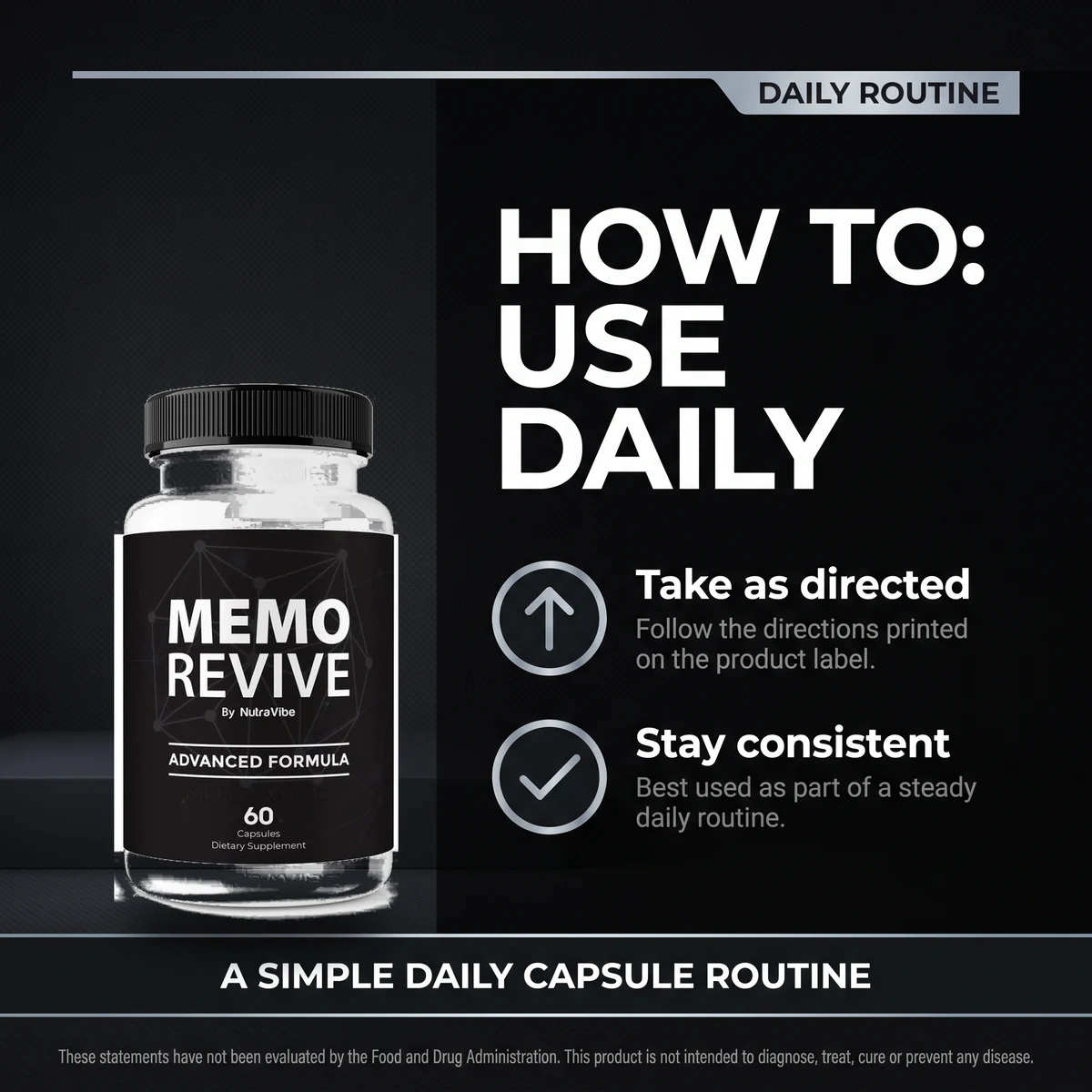
Memo Revive is a two-capsule daily botanical blend for everyday focus and mental-energy support — a consistent companion for the routine below, backed by a 60-day guarantee.
See Memo Revive Packages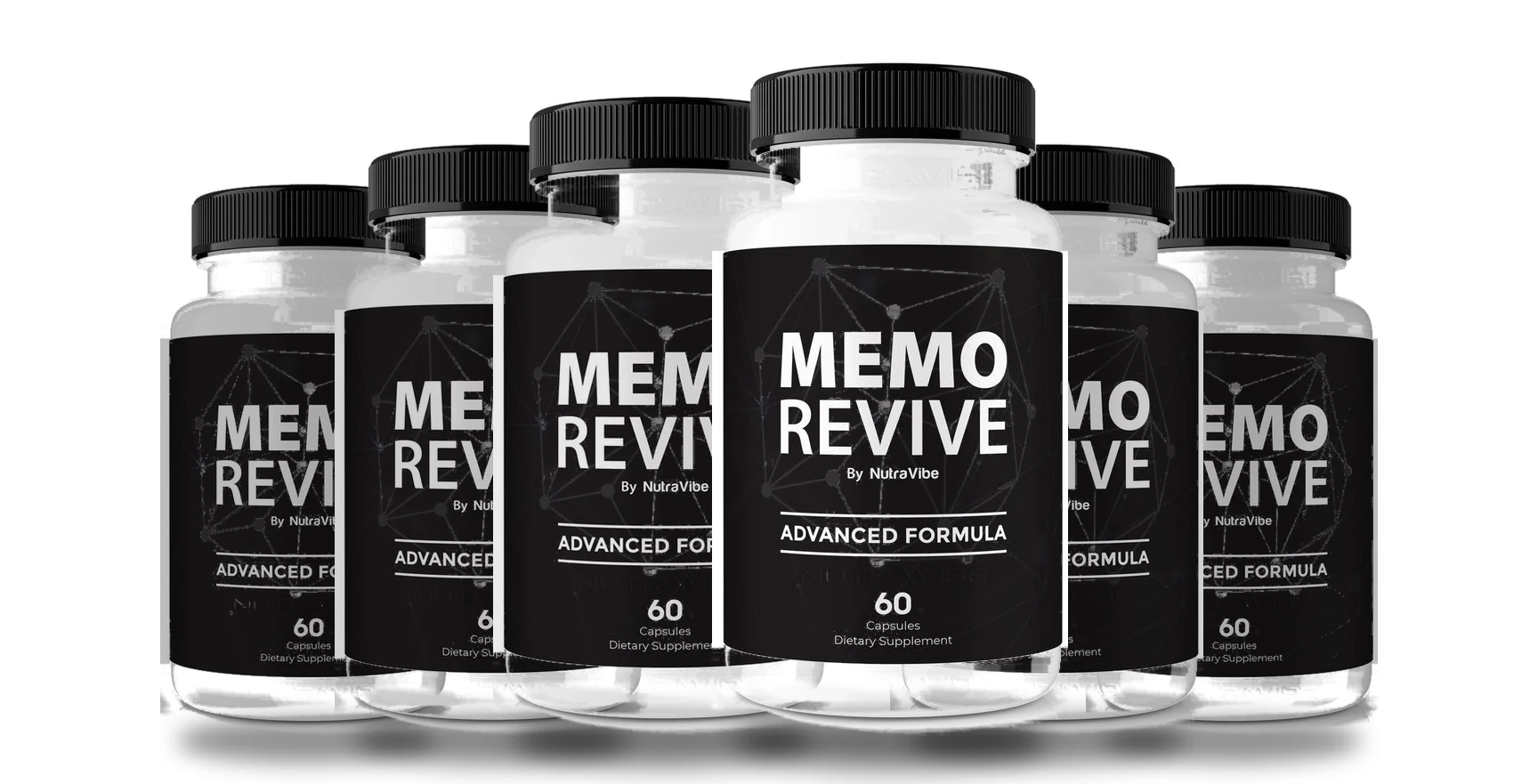
Daily habits to beat the afternoon slump
The most effective moves happen earlier in the day. Steady the mornings and the afternoon largely takes care of itself.
If you are wondering whether a nutrient shortfall is involved, the NIH Office of Dietary Supplements’ nutrient and supplement fact sheets are the place to check what a given nutrient does and who is actually likely to be low in it.
- ✓ Eat a balanced lunch. Protein, fibre and healthy fats give steadier afternoon energy than a big, sugary meal.
- ✓ Hydrate before you're thirsty. Keep water on your desk and sip through the morning so you don't arrive at lunch already low.
- ✓ Front-load your caffeine. Enjoy coffee earlier and avoid it in the late afternoon so it doesn't cost you sleep.
- ✓ Take a post-lunch walk. Ten minutes of movement and daylight is one of the best natural energy resets there is.
- ✓ Work in focused blocks. Build in real breaks so mental fatigue doesn't pile up into a crash.
- ✓ Do demanding work in the morning. Schedule your hardest tasks for your natural peak and lighter tasks for the dip.
- ✓ Protect your sleep. The single biggest lever on afternoon energy is how well you slept the night before.
A sample slump-proof day
To make it concrete, here is how the habits fit together across a day:
- ✓ Morning: water first, a protein-anchored breakfast, daylight and a short walk, coffee early, hardest task tackled first.
- ✓ Midday: a balanced lunch rather than a sugary one, followed by a ten-minute walk instead of a third coffee.
- ✓ Afternoon: lighter tasks in the natural dip, water topped up, short breaks between focused blocks.
- ✓ Evening: caffeine avoided, a consistent wind-down and bedtime to protect tomorrow's energy.
Mental energy vs. physical tiredness
It helps to notice which kind of low you are actually feeling, because the fix is different. Physical tiredness is your body asking for rest — heavy limbs, yawning, genuine sleepiness — and the honest answer is usually more or better sleep. Mental fatigue is different: your body may be fine, but your attention is spent after hours of focused effort, decisions and screen time. Mental fatigue often responds not to caffeine but to a change of scene, a short walk, a genuinely different task, or a few minutes away from screens entirely. Mistaking one for the other is why a mid-afternoon coffee sometimes does nothing except cost you sleep — you were mentally drained, not physically tired.
Two related guides go deeper than this one can: the stimulant question is unpicked in whether caffeine helps or hurts focus and memory, and the specific late-afternoon symptom of sentences falling apart is covered in how to stop losing your train of thought.
Protecting your energy across the whole week
Daily habits do the heavy lifting, but a little weekly planning makes them stick. A few ideas worth building in:
- ✓ Guard your sleep on weekends too. Wildly different weekend hours leave you starting Monday in a hole that no amount of coffee fills.
- ✓ Batch demanding work into your natural peaks. Put the hardest thinking where your energy is reliably highest, and admin in the dips.
- ✓ Build in genuine downtime. Rest is not wasted time; it is what lets mental energy recover so the next block is productive.
- ✓ Watch the cumulative load. A single busy day is fine; several back to back with no recovery is what turns an occasional slump into a permanent one.
Where a daily botanical fits
Once the daily foundations are in place, some people like to add a consistent daily botanical as a supporting layer for steady mental energy. That is exactly how Memo Revive is positioned: a two-capsule daily supplement built on a named 1,000 mg blend of plant and amino actives for everyday focus and mental-energy support — not a stimulant and not a treatment for fatigue. Because botanicals reward routine, take it at the same time each day and give it several weeks alongside the habits above. If the afternoon shows up as cloudiness rather than tiredness, our guide to brain fog causes and how to clear it naturally is a useful companion, and for the attention side see why you can't focus and the causes of poor concentration.
For any herb you are considering, the National Center for Complementary and Integrative Health’s Herbs at a Glance gives a short, sober account of the human evidence behind it.
When low energy needs a professional
A normal afternoon dip responds well to the habits above. But persistent, heavy or unexplained fatigue — energy that stays low despite good sleep, meals and hydration, or that is getting worse — is worth discussing with a qualified healthcare professional, since many everyday and medical factors can affect energy levels. This article is general information, not a diagnosis or a substitute for medical advice.
Want a steady daily companion for all-day mental energy? See the Memo Revive packages here.
Frequently asked questions
Why does my mental energy crash in the afternoon?
The afternoon dip is partly a natural part of your body clock and partly the result of the morning's choices — a heavy or sugary lunch, too little water, a poor night's sleep, and hours of mental effort without a break all combine to bring energy down after midday.
How can I boost my mental energy naturally?
Steady the foundations: protect your sleep, hydrate through the day, eat balanced meals rather than sugary ones, get daylight and movement, and take real breaks. Timing caffeine earlier and working in focused blocks helps keep energy on an even keel.
Is the afternoon slump caused by lunch?
Lunch is a major factor. A large, sugary or refined-carbohydrate meal tends to produce a sharper energy dip afterward, while a balanced plate with protein, fibre and healthy fats gives steadier afternoon energy.
Can a supplement help with afternoon energy?
A daily botanical like Memo Revive is best used as a steady supporting layer alongside good sleep, meals and hydration. It is positioned as a companion for everyday focus and mental-energy support, not a stimulant or a medical treatment for fatigue.
Should I nap to beat the slump?
A short nap of around 10–20 minutes can help some people reset, as long as it doesn't run long or too late in the day, which can affect night-time sleep. For most people, a walk, water and daylight are the more practical everyday fix.
We are an independent team writing plain-language guides on everyday focus, memory and mental energy. We favour habits and honest, general information over hype, and we always point readers toward a qualified professional for anything medical. Content is reviewed for accuracy and compliance before it is published.
References
- Centers for Disease Control and Prevention — Sleep and Sleep Disorders. cdc.gov/sleep
- National Institutes of Health, Office of Dietary Supplements — Dietary Supplement Fact Sheets. ods.od.nih.gov
- National Center for Complementary and Integrative Health — Herbs at a Glance. nccih.nih.gov
† These statements have not been evaluated by the FDA. This product is not intended to diagnose, treat, cure or prevent any disease. This article is for general information only and is not medical advice. Individual results vary.