Home › Blog › Why Can't I Focus?
Focus & ConcentrationWhy Can't I Focus? Common Causes of Poor Concentration (and Daily Fixes)
| The problem | Most everyday concentration slumps come from a handful of ordinary causes, not a hidden flaw in your brain. |
| The usual suspects | Broken sleep, chronic stress, dehydration, blood-sugar swings, and a phone that never stops buzzing. |
| The fix | Steady the basics first, remove the biggest distraction, then layer a consistent daily routine on top. |
You sit down to work, open the document, and twenty minutes later you have reread the same paragraph four times, checked your phone twice, and somehow ended up looking at a completely unrelated tab. If that sounds familiar, you are not broken and you are not alone. Poor concentration is one of the most common everyday complaints there is, and in the vast majority of cases it traces back to ordinary, fixable causes rather than anything dramatic.
This guide walks through why you can't focus in plain language: the everyday triggers behind poor concentration, why they hit some days harder than others, and the daily habits, foods and routines that help you focus again. Think of it as a checklist you can actually work through, one line at a time.
First, what "focus" actually is
Focus is not a single switch. It is your brain choosing one thing to pay attention to while filtering out everything else. That filtering job is surprisingly demanding, and it depends on a stack of background conditions being roughly in place: enough sleep, steady energy, manageable stress, and an environment that is not constantly pulling your attention elsewhere. When one or two of those slip, concentration is usually the first thing to suffer, because it sits at the top of the pile.
That is the reassuring part. If focus is the tip of the iceberg, most fixes live underneath the waterline in habits that are entirely within your control.
What causes poor concentration? The most common reasons
Here are the everyday reasons people struggle to focus, roughly in order of how often they turn out to be the real culprit.
Sleep heads the list for a reason. The CDC’s sleep health guidance puts the adult target at seven or more hours, and attention is usually the first thing to go when that target is missed for several nights running.
1. Sleep that looks fine but isn't
You can spend eight hours in bed and still wake up under-slept if that sleep was fragmented, late, or low quality. Broken sleep hits attention harder than almost anything else, because the brain does much of its housekeeping overnight. If your concentration is worst in the late morning after a restless night, sleep is the first place to look.
2. Chronic, low-grade stress
A racing mind is a distracted mind. When you are carrying a background hum of worry, part of your attention is always tied up monitoring the thing you are stressed about. That leaves less bandwidth for the task in front of you. Stress does not have to be dramatic to wreck focus; a steady drip of small pressures does the job just as well.
3. Blood-sugar swings
A sugary breakfast or a skipped lunch can send your energy on a rollercoaster, and your ability to concentrate rides along with it. The mid-afternoon crash that so many people blame on "being tired" is often a blood-sugar dip in disguise. We cover the energy side of this in detail in our guide to beating the afternoon energy slump.
4. Mild dehydration
You do not need to be seriously dehydrated for it to matter. Even a small fluid deficit can nudge attention, mood and perceived effort in the wrong direction. Many people who "can't focus" by mid-morning have simply not had a glass of water since they woke up.
5. Digital distraction and constant task-switching
This is the modern giant. Every notification, every quick "let me just check", every open tab fragments your attention and forces your brain to pay a small switching cost to get back on task. Do that fifty times an hour and deep focus becomes almost impossible. Multitasking feels productive, but for demanding work it is usually the enemy of concentration.

6. A cluttered, noisy environment
Your surroundings are part of your attention system. An open browser full of tabs, a messy desk, background chatter, or a phone sitting face-up within arm's reach all quietly compete for focus. Sometimes the fastest concentration upgrade is simply changing where and how you work.
7. Boredom, and tasks with no clear finish line
The brain finds it far harder to focus on a vague, open-ended task than a specific one. "Work on the report" invites drift; "write the first two paragraphs of the summary" gives your attention something concrete to lock onto. A lot of what feels like poor concentration is really a task that has not been broken down.
Why some days are so much worse than others
If your focus were purely about willpower, it would be roughly the same every day. It clearly is not, and that is the clue. On a good day, most of the background conditions line up: you slept well, ate a steady breakfast, feel calm, and your environment is quiet. On a bad day, several of them stack up against you at once, and the effect compounds. Two poor inputs rarely add up to a small problem; they multiply into a day where nothing sticks.
This is why the fix is almost never a single heroic effort. It is about tilting the odds each day so more of those background conditions are working for you instead of against you.
Support your daily focus routine
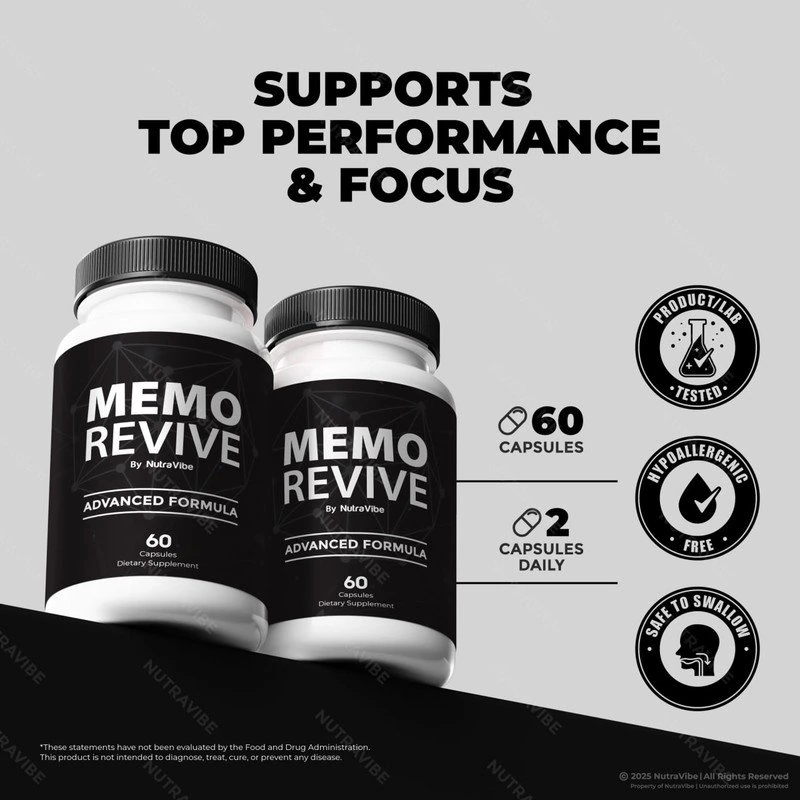
Memo Revive is a two-capsule daily botanical blend built for everyday focus and mental-energy support — a steady companion for the habits below, backed by a 60-day guarantee.
See Memo Revive Packages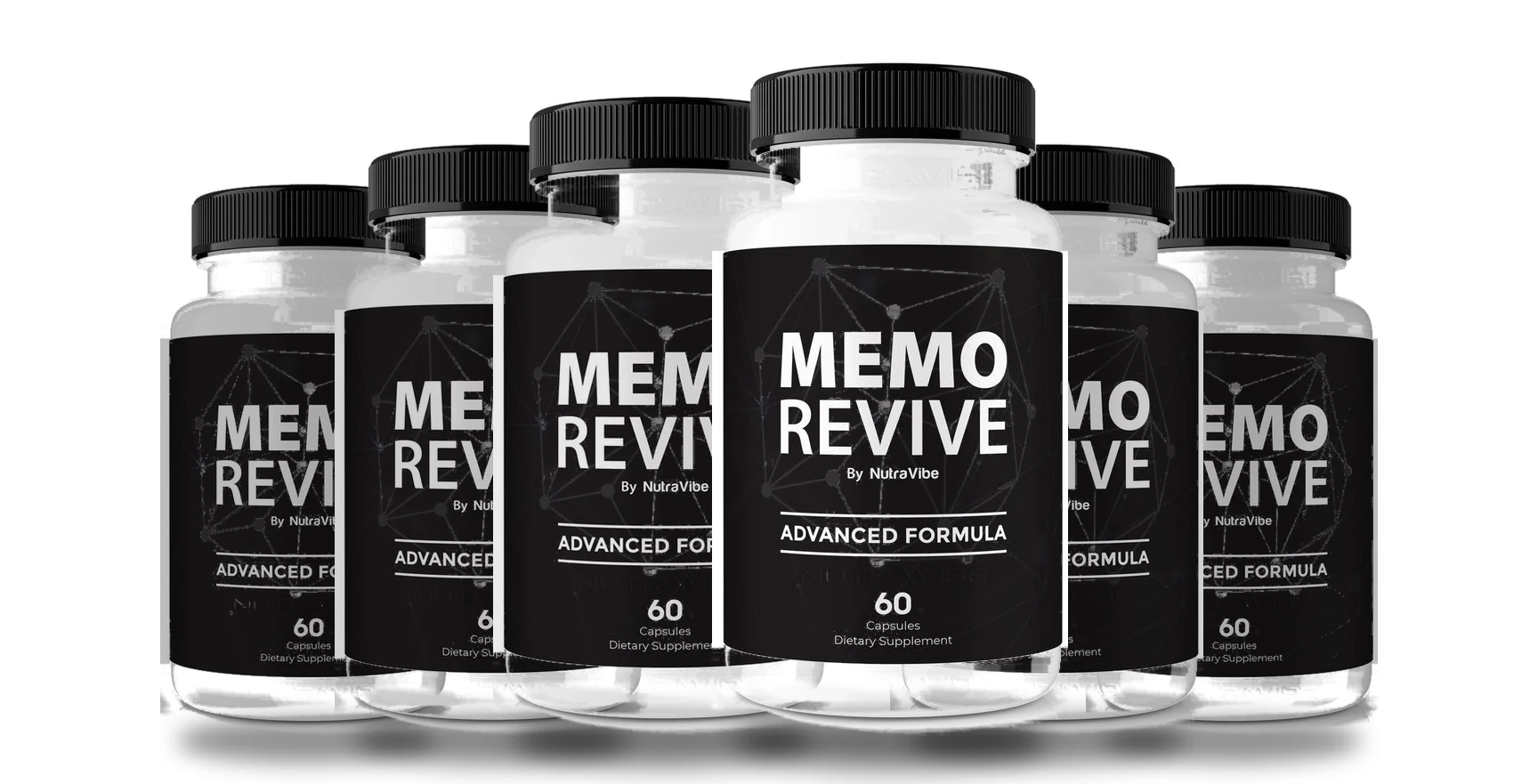
Daily fixes: how to focus again
You do not need to fix everything at once. Work down this list and change the one thing that is most obviously broken for you first.
If you suspect a nutritional gap behind the fog, the NIH Office of Dietary Supplements’ nutrient and supplement fact sheets set out what each nutrient does and which groups are genuinely likely to fall short.
- ✓ Protect your sleep window. A consistent bedtime does more for next-day concentration than any hack. Aim for the same lights-out time even on weekends.
- ✓ Hydrate before caffeine. A large glass of water first thing clears the most common mid-morning focus dip before it starts.
- ✓ Eat for steady energy. Pair protein, fibre and healthy fats at breakfast so your attention isn't riding a blood-sugar rollercoaster.
- ✓ Put the phone in another room. Not face-down — away. Out of sight genuinely lowers the pull on your attention.
- ✓ Work in focused blocks. Try 25–50 minutes on one task, then a real break. Single-tasking beats multitasking for anything demanding.
- ✓ Shrink the task. Give your brain a concrete next step with a clear finish line instead of a vague, open-ended goal.
- ✓ Move and get daylight. A short morning walk in natural light helps set an alert daytime rhythm.
- ✓ Layer in a consistent daily supplement. If you use one, take it at the same time each day so it becomes an automatic part of the routine.
Where a botanical supplement fits
No capsule will out-focus a sleepless night or a phone that buzzes every ninety seconds. But once the basics are steady, many people like to add a consistent daily botanical as a supporting layer. That is exactly how Memo Revive is positioned: a two-capsule daily supplement built on a named 1,000 mg blend of plant and amino actives for everyday focus and mental-energy support.
For the herbal options, the National Center for Complementary and Integrative Health’s Herbs at a Glance is the quickest way to see where the human evidence for a given plant stops.
The key word is consistent. Botanicals reward routine, so if you choose to use one, attach it to a cue you already have — breakfast, your first glass of water — and give it several weeks as part of the wider picture. For more on the individual ingredients, see our guide to natural nootropic botanicals for focus and memory. And if your main struggle is a foggy, sluggish head rather than distractibility, our piece on brain fog causes and how to clear it naturally covers that specific feeling.
When to check in with a professional
Everyday concentration dips are normal and usually respond to the fixes above. But if your focus problems are sudden, persistent, getting worse, or genuinely interfering with work and daily life, that is worth a conversation with a qualified healthcare professional. Concentration can be affected by many things a website cannot assess, and there is no downside to getting a proper opinion. This article is general information, not a diagnosis.
Ready to make focus a daily habit instead of a daily battle? Explore Memo Revive packages here.
Frequently asked questions
Why can't I focus even when I'm well rested?
Sleep is only one input. Concentration also depends on stable blood sugar, hydration, stress load, and how many things are competing for your attention. On a rested day, the usual culprits are a noisy environment, constant phone notifications, or trying to multitask across several tasks at once.
Is poor concentration a sign of something serious?
Occasional trouble focusing is a normal part of busy, modern life and usually traces back to sleep, stress or diet. If poor concentration is sudden, persistent or interfering with daily life, that is a conversation to have with a qualified healthcare professional rather than something to self-diagnose.
What foods help with concentration?
Meals that keep blood sugar steady tend to support steadier attention — protein, fibre, healthy fats and slow-release carbohydrates rather than sugary snacks. Staying hydrated matters too, since even mild dehydration can nudge focus in the wrong direction. Our best foods for brain health and memory guide goes deeper.
Can a supplement help me focus?
A botanical supplement like Memo Revive is best viewed as one steady daily layer on top of the basics — sleep, hydration, movement and a calmer environment. It is a companion for an everyday focus routine, not a replacement for good habits or a medical treatment.
How long does it take to see a difference?
Lifestyle changes like better sleep and fewer notifications can help within days. Botanical supplements are different — they are a steady daily habit, so most people give them several weeks of consistent use alongside the rest of their routine.
We are an independent team writing plain-language guides on everyday focus, memory and mental energy. We favour habits and honest, general information over hype, and we always point readers toward a qualified professional for anything medical. Content is reviewed for accuracy and compliance before it is published.
References
- National Institutes of Health, Office of Dietary Supplements — Dietary Supplement Fact Sheets. ods.od.nih.gov
- Centers for Disease Control and Prevention — Sleep and Sleep Disorders. cdc.gov/sleep
- National Center for Complementary and Integrative Health — Herbs at a Glance. nccih.nih.gov
† These statements have not been evaluated by the FDA. This product is not intended to diagnose, treat, cure or prevent any disease. This article is for general information only and is not medical advice. Individual results vary.