Home › Blog › Best Foods for Brain Health & Memory
Diet & Daily WellnessBest Foods for Brain Health and Memory: A Daily Eating Guide
| The idea | What you eat every day quietly shapes how clearly you think, focus and remember. |
| Best foods | Oily fish, leafy greens, berries, nuts and seeds, whole grains, beans and olive oil. |
| Go easy on | Sugary drinks, sweets and heavily processed snacks that spike then crash your energy. |
Your brain is a hungry organ. Despite being a small fraction of your body weight, it uses a large share of your daily energy, and it draws on a steady supply of nutrients to do its work well. That means the plate in front of you is one of the most direct, everyday levers you have over how clearly you think, focus and remember. This is a practical guide to the best foods for brain health and memory — what to reach for, what to go easy on, and how to build brain-friendly eating into ordinary daily meals without overhauling your whole life.
Why food matters so much for memory and focus
Two things are happening every time you eat. First, food delivers the raw materials the brain uses — healthy fats, amino acids, vitamins, minerals and antioxidants. Second, the type of food shapes how steady your energy is over the next few hours. A meal that spikes and then crashes your blood sugar tends to take your focus and mood down with it, while a steadier meal keeps your thinking on an even keel. Getting both of these right, day after day, is the foundation everything else sits on. It is also why diet is central to avoiding that cloudy feeling we cover in brain fog causes and how to clear it naturally.
The point is a pattern, not a product: the federal Dietary Guidelines for Americans are built entirely around overall eating patterns across days and weeks rather than around single hero foods, which is why no one meal will decide how clearly you think.
The best foods for brain health and memory
You do not need exotic superfoods. The most brain-friendly diet is built from ordinary whole foods, eaten regularly.
Where a specific nutrient rather than a whole food is at stake, the NIH Office of Dietary Supplements publishes plain-language fact sheets on individual nutrients that set out what is genuinely established about each one — a far better first stop than the back of a supplement bottle.
Oily fish
Salmon, sardines, mackerel and trout are rich in omega-3 fats, which are a structural part of brain cell membranes. Oily fish is one of the most consistently recommended foods for long-term brain health. Two servings a week is a common, realistic target.
Leafy green vegetables
Spinach, kale, rocket and other greens deliver folate, vitamin K and a range of antioxidants. Diets high in leafy greens are among the most studied for supporting healthy brain ageing. A daily handful is an easy win — add it to eggs, soups, pasta or a smoothie.
Berries and colourful fruit
Blueberries, strawberries, blackberries and other deeply coloured fruits are packed with the plant compounds that give them their colour, along with fibre that slows sugar release. They make a naturally sweet snack that supports steady energy rather than a crash.
Nuts and seeds
Walnuts, almonds, pumpkin seeds and flax provide healthy fats, vitamin E, magnesium and a little protein. A small handful is a brain-friendly snack that keeps you satisfied and steady between meals.
Whole grains and beans
Oats, brown rice, quinoa, lentils and beans release their energy slowly, which is exactly what the brain likes. Swapping refined white carbohydrates for whole-grain and legume versions is one of the single most effective changes for steadier focus through the day.
Extra-virgin olive oil
A cornerstone of the Mediterranean way of eating, extra-virgin olive oil is a source of healthy monounsaturated fat and plant compounds. Using it as your main cooking and dressing fat is a simple, sustainable upgrade.
Eggs
Eggs supply choline and quality protein, and they make a steady, savoury breakfast that helps you avoid the mid-morning dip a sugary start so often brings.
Water — the one people forget
It is not food, but it belongs on any brain-health list. The brain is sensitive to hydration, and even a mild deficit can dull focus and energy. Sipping water steadily through the day is one of the easiest brain-friendly habits there is.
Foods to go easy on
No single food is a villain, and there is room for treats. But a diet built around the following tends to work against steady thinking:
- ✓ Sugary drinks and sweets — the classic spike-and-crash that drags focus down an hour later.
- ✓ Refined, white-flour snacks — quick energy with little staying power.
- ✓ Heavily processed convenience foods — often high in added sugar and low in the nutrients the brain uses.
- ✓ Skipping meals — not a food, but it sends blood sugar low and fog high.
A daily companion to brain-friendly eating
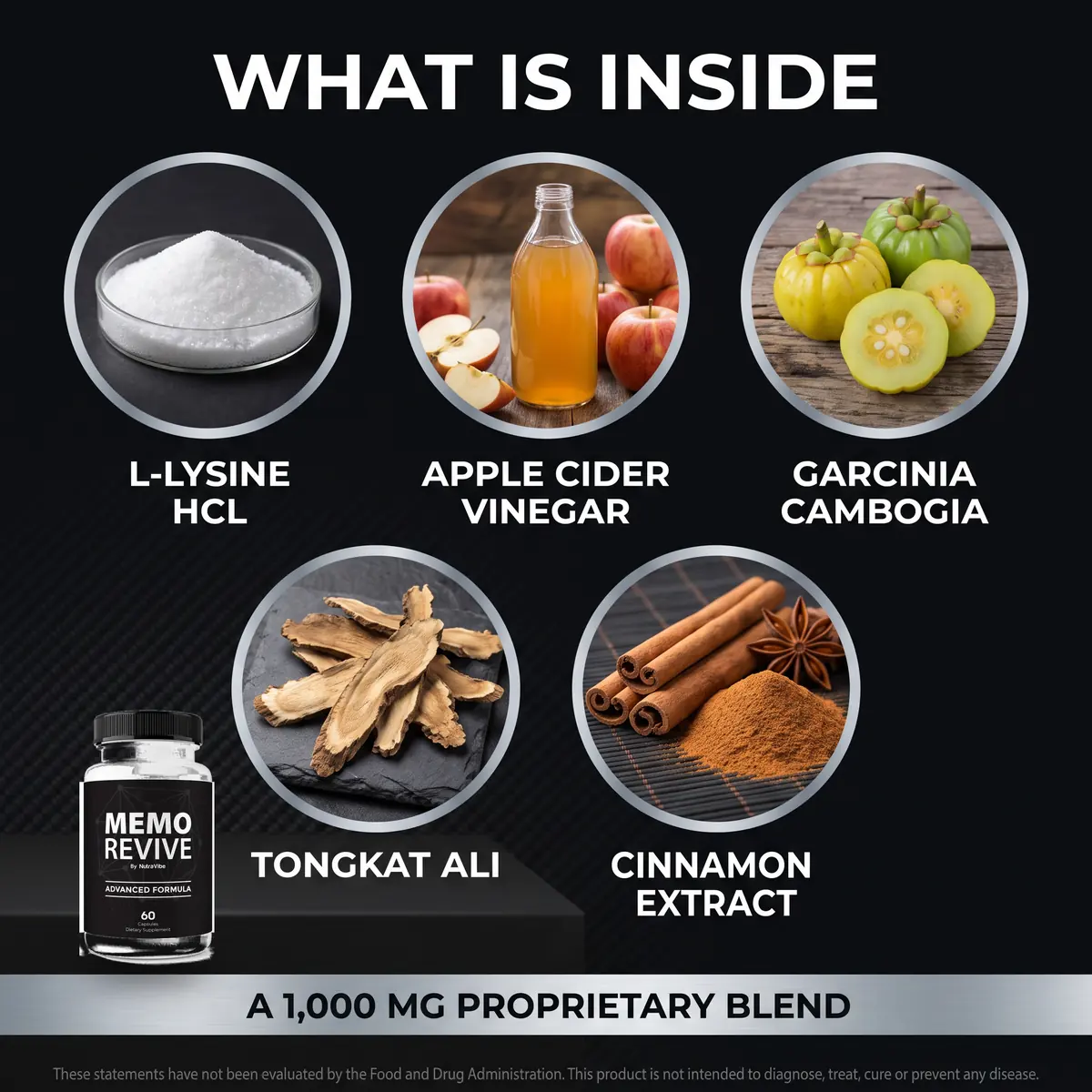
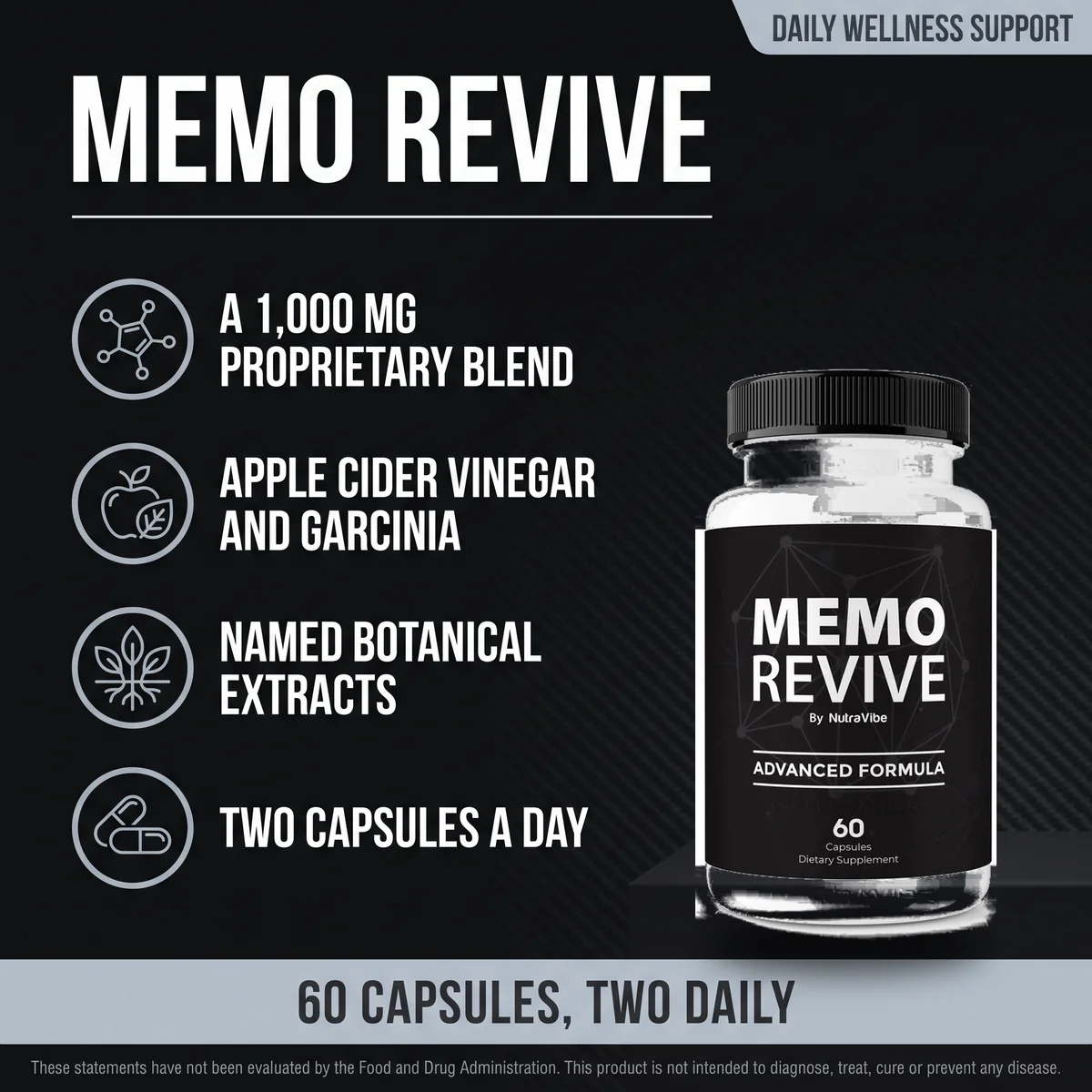
Memo Revive is a two-capsule daily botanical blend for everyday focus and mental-energy support — a steady layer on top of good food, backed by a 60-day guarantee.
See Memo Revive Packages
How to build it into everyday meals
Brain-friendly eating is less about perfect meals and more about small, repeatable habits. Try these:
- ✓ Anchor breakfast with protein. Eggs, plain yoghurt or oats keep energy steady instead of spiking it.
- ✓ Add a plant to every plate. A handful of greens or a piece of colourful fruit at each meal adds up fast.
- ✓ Swap the snack. Trade a sugary snack for nuts, seeds or berries when the afternoon dip hits.
- ✓ Cook with olive oil. Make it your default fat for cooking and dressings.
- ✓ Keep water in reach. A bottle on your desk means you sip steadily rather than catch up late.
- ✓ Fish twice a week. Tinned sardines or salmon count and make it effortless.
Three brain-food myths worth ignoring
Brain-food advice attracts a lot of hype, so it helps to clear away a few common misconceptions before you plan your plate.
Two of the guides on this site pick the thread up from here: the food you eat reaches your brain through your digestive system, which is the subject of how gut health affects your brain and memory, and irregular eating is one of the quieter reasons behind feeling mentally tired all the time.
Myth: one “superfood” will transform your memory
No single food does the heavy lifting. Blueberries and salmon are genuinely brain-friendly, but they work as part of a varied, mostly whole-food pattern — not as a magic bullet you sprinkle on an otherwise poor diet. Consistency across many meals beats one heroic ingredient every time.
Myth: fat is bad for the brain
The opposite is closer to the truth. The brain is largely built from fat, and healthy fats from oily fish, nuts, seeds and olive oil are among its most valued raw materials. It is added sugar and heavily processed fats that tend to work against steady thinking, not the natural fats in whole foods.
Myth: skipping meals sharpens focus
For most people, going too long without eating sends blood sugar low and brings on the very fog and irritability that make focus harder. A steady rhythm of balanced meals and snacks keeps energy on an even keel far more reliably than white-knuckling through hunger.
Building a brain-friendly plate
If you want a simple template you can reuse without thinking, aim for a plate that is roughly half colourful vegetables and fruit, a quarter quality protein such as fish, eggs, beans or lean meat, and a quarter slow-release whole-grain carbohydrate, all cooked or dressed with a little olive oil. That single shape — repeated across most of your meals — delivers the fibre, healthy fats, protein and antioxidants your brain draws on, while naturally crowding out the sugary, refined foods that cause crashes.
Where supplements fit alongside food
Food comes first, always. Once your everyday eating is solid, some people like to add a consistent daily botanical as a supporting layer. Interestingly, several of the actives in the Memo Revive blend are food-derived themselves — think apple cider vinegar, cinnamon bark and Garcinia Cambogia — which is why we treat the supplement as an extension of a whole-food approach rather than something separate. You can read about the individual ingredients in our guide to natural nootropic botanicals for focus and memory. A supplement is a companion to good eating, not a replacement for it, and not a treatment for any condition.
For the botanical end of the shelf, the National Center for Complementary and Integrative Health keeps a candid summary of what is and is not known about popular herbs in its Herbs at a Glance database, and it is refreshingly willing to say when the evidence is thin.
A note on expectations
Food supports your brain over the long haul; it is not an on-demand switch. The payoff of brain-friendly eating shows up as steadier energy, fewer crashes and a foundation for clear thinking over weeks and months — not as a single dramatic moment. If you have specific concerns about memory or diet, or you are managing a health condition, speak with a qualified healthcare professional or dietitian. This article is general information, not medical or nutritional advice tailored to you.
Eating well and want a steady daily companion for focus? Explore the Memo Revive packages here.
Frequently asked questions
What are the best foods for brain health and memory?
Whole, minimally processed foods lead the list: oily fish, leafy greens, colourful berries, nuts and seeds, whole grains, beans and extra-virgin olive oil. Together they supply the healthy fats, fibre, antioxidants and steady energy the brain uses every day.
What foods are bad for memory and focus?
Foods that spike and then crash your blood sugar tend to work against steady thinking — sugary drinks, sweets, refined snacks and heavily processed meals. They are fine occasionally, but a diet built around them makes clear, steady focus harder.
Does drinking water affect memory and focus?
Yes. The brain is sensitive to hydration, and even a mild fluid deficit can nudge attention, mood and mental energy in the wrong direction. Sipping water steadily through the day is one of the simplest brain-friendly habits there is.
Do I still need a supplement if I eat well?
A brain-friendly diet is the foundation and comes first. Some people choose to add a daily botanical like Memo Revive as a steady supporting layer, but it is a companion to good eating, not a replacement for it, and not a medical treatment.
How quickly does diet affect the brain?
A steady meal can help you feel clearer within the same day by avoiding a blood-sugar crash. The bigger benefits of brain-friendly eating build over weeks and months of consistency, which is why habits matter more than any single meal.
We are an independent team writing plain-language guides on everyday focus, memory and mental energy. We favour habits and honest, general information over hype, and we always point readers toward a qualified professional for anything medical. Content is reviewed for accuracy and compliance before it is published.
References
- U.S. Department of Agriculture — Dietary Guidelines for Americans. dietaryguidelines.gov
- National Institutes of Health, Office of Dietary Supplements — Omega-3 Fatty Acids. ods.od.nih.gov
- National Center for Complementary and Integrative Health — Herbs at a Glance. nccih.nih.gov
† These statements have not been evaluated by the FDA. This product is not intended to diagnose, treat, cure or prevent any disease. This article is for general information only and is not medical advice. Individual results vary.