Home › Blog › Does Gut Health Affect Your Brain?
Gut-Brain ConnectionDoes Gut Health Affect Your Brain and Memory? The Gut-Brain Connection
| The short answer | Yes — the gut and brain are in constant two-way contact through what is called the gut-brain axis. |
| Why it matters | Your digestion, fibre intake and gut microbes can influence mood, focus and how clearly you think. |
| What helps | A varied, fibre-rich whole-food diet, fermented foods, steady meals and less ultra-processed food. |
Ever had a “gut feeling”, or felt your stomach knot before a stressful event? Those everyday phrases hint at something researchers now take seriously: your gut and your brain are in constant conversation. That link, often called the gut-brain axis, is one of the more fascinating areas of modern wellness science, and it helps explain why the state of your digestion can shape your mood, your energy and even how clearly you think. So does gut health affect your brain and memory? The evidence points to yes — not as a magic switch, but as one genuine and often overlooked piece of the puzzle. Here is a plain-language tour of how the connection works and the everyday habits that support both ends of it.
What is the gut-brain axis?
The gut-brain axis is the name for the two-way communication network running between your digestive system and your brain. They talk to each other constantly, through several channels at once. There is a direct nervous-system line — most famously the vagus nerve, a kind of information superhighway between the gut and the brain. There are immune signals, because a large share of your immune system lives in and around the gut. And there are chemical messengers, including compounds produced by the microbes that live in your digestive tract.
This is why the traffic runs both ways. Stress and anxiety in the brain can upset your stomach — the pre-exam butterflies are real. And an unsettled or poorly nourished gut can send signals back that influence how you feel and function mentally. Understanding this loop reframes digestion as something that matters well beyond your stomach.
Meet your microbiome
Living in your gut are trillions of microbes — bacteria and other organisms — collectively known as the microbiome. Far from being passive passengers, they help digest fibre, produce certain vitamins, train your immune system and generate an array of chemical by-products. Some of those by-products, such as short-chain fatty acids made when microbes ferment fibre, are being studied for their wider effects on the body, including signals that reach the brain.
The NIH’s own consumer magazine covers the same ground in News in Health, and is careful to describe the microbiome as an active area of research rather than a solved one.
A diverse, well-fed microbiome is generally considered a marker of a healthy gut. A microbiome starved of fibre and dominated by the residue of ultra-processed food is less diverse. Since these microbes are active participants in the gut-brain conversation, feeding them well is one practical lever you have over the whole system.
How gut health affects memory, mood and focus
There are a few well-recognised ways the gut end of the axis can shape how you feel and think.
Chemical messengers
A surprising share of the body's serotonin — a chemical involved in mood — is produced in the gut, and gut microbes are involved in producing or influencing several signalling molecules. This is one of the mechanisms researchers point to when they describe links between gut health and mood.
Steady energy for the brain
A fibre-rich gut slows the release of sugar from your food, which helps keep blood sugar steady — and steady blood sugar means fewer of the crashes that land as fog and tiredness. In that sense, gut-friendly eating and brain-friendly eating are largely the same thing, as we cover in best foods for brain health and memory.
Inflammation and the immune link
Because so much of the immune system sits around the gut, the state of your digestion can influence low-grade inflammation elsewhere in the body. This immune channel is another route through which gut and brain are connected in the research literature.

The stress-gut loop
The gut-brain axis is a two-way street, and stress is where you feel it most obviously. When you are under pressure, your gut responds — appetite changes, digestion slows or speeds up, and your stomach can feel it. In turn, an unhappy gut can feed back into how tense or foggy you feel. This loop is one reason that managing stress is good for your digestion, and looking after your digestion is part of feeling steady. Our guide to does stress affect memory and how to manage it covers the brain side of that loop.
A daily companion built on food-derived botanicals
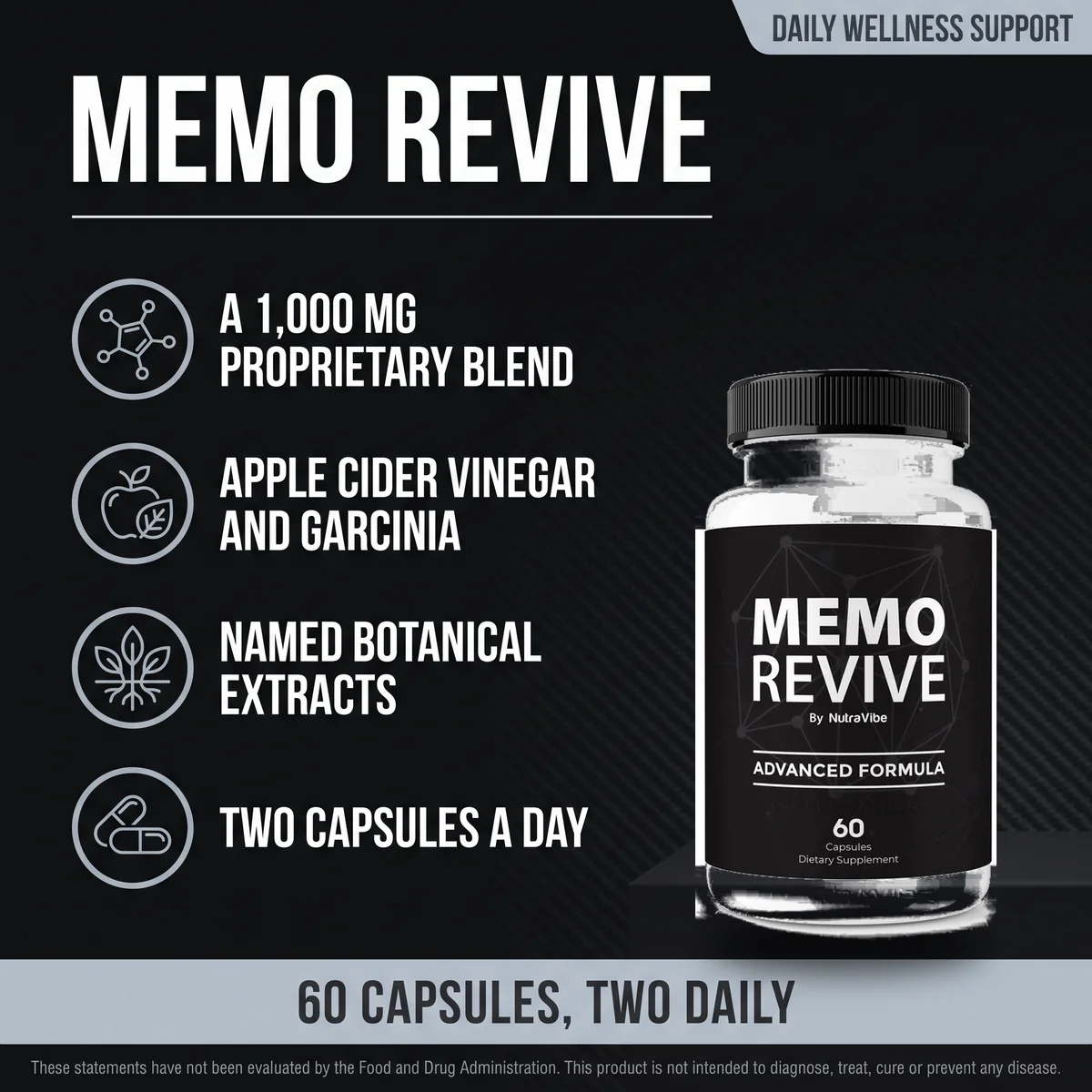
Memo Revive is a two-capsule daily blend for everyday focus and mental-energy support — several of its actives, including apple cider vinegar, are food-derived. Backed by a 60-day guarantee.
See Memo Revive Packages
Daily habits that support the gut-brain connection
You do not need expensive powders or a lab test to look after your gut-brain axis. The habits that help are familiar and affordable.
Almost all of this is ordinary dietary advice wearing a newer name: the fibre-rich, largely plant-based pattern described in the Dietary Guidelines for Americans is also, in practice, the pattern that feeds a diverse gut community.
- ✓ Eat the rainbow of plants. Variety feeds a diverse microbiome — aim for many different vegetables, fruits, beans and whole grains across the week.
- ✓ Prioritise fibre. Fibre is the main fuel your gut microbes ferment, so it is the single most important nutrient for gut health.
- ✓ Add fermented foods. Yoghurt, kefir, kimchi and sauerkraut bring live cultures to the table.
- ✓ Go easy on ultra-processed food. A diet dominated by refined, high-sugar products tends to starve the microbes you want to encourage.
- ✓ Stay hydrated. Digestion and regularity depend on fluid — see does dehydration affect your brain.
- ✓ Manage stress and sleep. Both feed directly into the gut-brain loop, so they are gut habits too.
Where food-derived botanicals fit
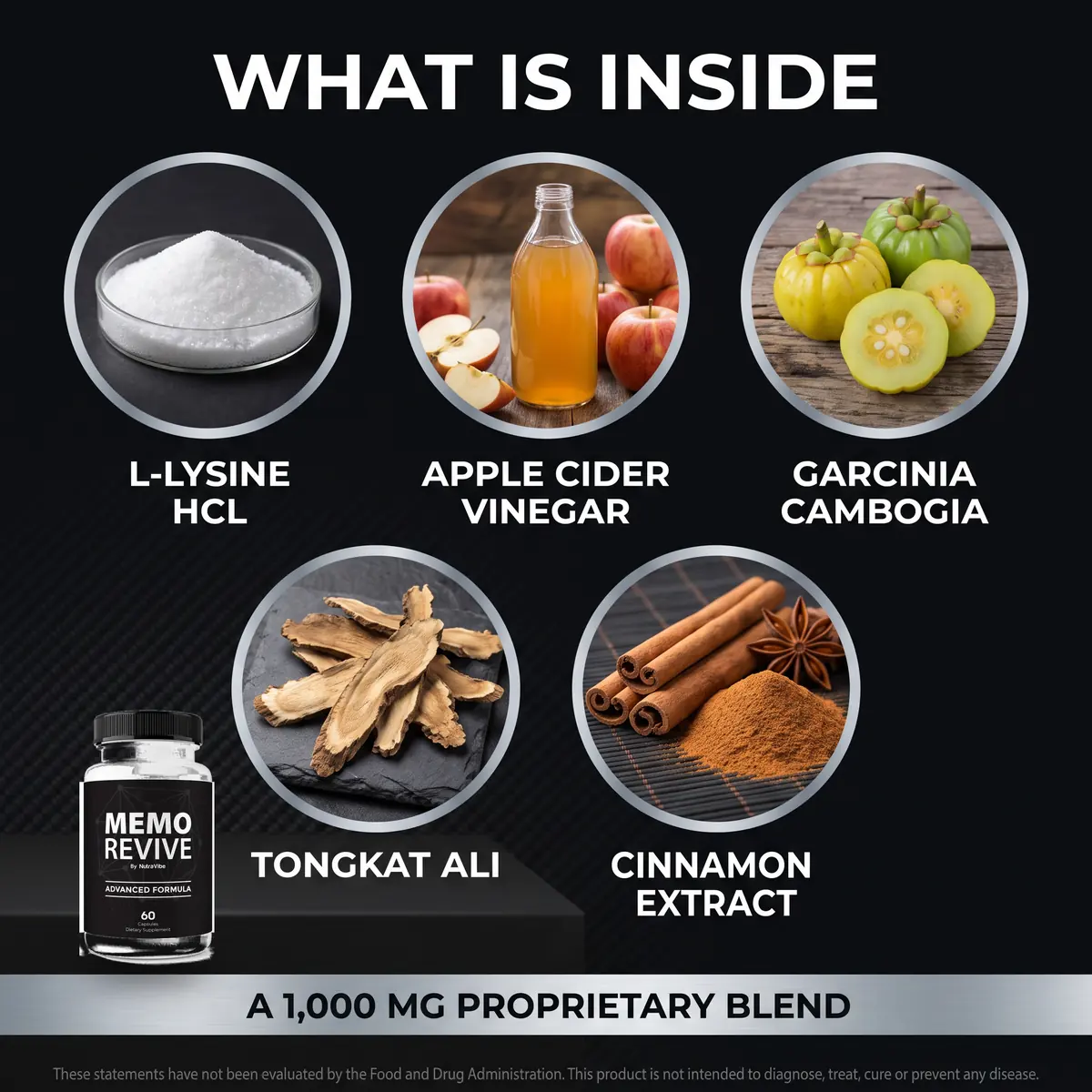
Food comes first, always. Once your everyday eating is genuinely gut-friendly, some people like to add a consistent daily botanical as a supporting layer. What is interesting about the Memo Revive blend in this context is that several of its actives are themselves food-derived — apple cider vinegar, cinnamon bark, Garcinia Cambogia and bitter melon all come from the kitchen and the garden. That makes the supplement an extension of a whole-food approach rather than something separate from it. You can read about each ingredient in our guide to natural nootropic botanicals for focus and memory. As always, a supplement is a companion to good eating for everyday focus and mental-energy support, not a treatment for any digestive or medical condition.
If you are considering a probiotic alongside food, the National Center for Complementary and Integrative Health’s summary of what is known about probiotics is unusually direct about how strain-specific and how limited the current evidence is.
A note on expectations and when to seek help
The gut-brain connection is genuine and worth taking seriously, but it is easy to overstate. Improving your gut habits is a sensible part of supporting steady energy and clear thinking — it is not a guaranteed or instant cure for brain fog, low mood or memory concerns, all of which have many contributing factors. If you have persistent digestive symptoms, ongoing low mood, or memory concerns that worry you, please speak with a qualified healthcare professional rather than relying on diet alone. This article is general information, not medical advice, and your gut is one important piece of a much bigger picture that also includes sleep, movement and stress.
Eating for your gut and want a daily companion built partly on food-derived botanicals? Explore the Memo Revive packages here.
Frequently asked questions
Does gut health affect your brain and memory?
Yes, there is a well-documented two-way link between the gut and the brain, often called the gut-brain axis. The gut and brain communicate through the nervous system, immune signals and chemical messengers, and the trillions of microbes in your gut are part of that conversation. This is why what you eat and how your digestion feels can influence mood, focus and mental clarity.
What is the gut-brain axis?
The gut-brain axis is the constant two-way communication network between your digestive system and your brain. It runs along nerves such as the vagus nerve, through immune and hormonal signals, and via chemicals produced by gut microbes. It is why stress can upset your stomach and why an unsettled gut can affect how you feel and think.
What foods are good for the gut-brain connection?
A varied, mostly whole-food diet rich in fibre feeds a healthy microbiome: plenty of vegetables, fruit, whole grains, beans, nuts and seeds. Fermented foods such as yoghurt, kefir, kimchi and sauerkraut add live cultures, and oily fish and olive oil support the pattern. Going easy on ultra-processed, high-sugar foods matters just as much.
Can improving my gut health help my focus?
Supporting your gut with fibre-rich whole foods, steady meals and good hydration is a sensible part of supporting steady energy and clearer thinking, alongside sleep, movement and stress management. It is not a guaranteed or instant fix, and gut health is one piece of a bigger picture rather than a stand-alone switch for focus.
Do I need probiotic supplements for a healthy gut?
For most people, a varied diet rich in fibre and fermented foods is the foundation of a healthy gut and does the heavy lifting. Some people choose probiotic products, but the evidence varies by strain and purpose. If you are considering one for a specific reason, it is worth discussing with a qualified healthcare professional.
We are an independent team writing plain-language guides on everyday focus, memory and mental energy. We favour habits and honest, general information over hype, and we always point readers toward a qualified professional for anything medical. Content is reviewed for accuracy and compliance before it is published.
References
- National Institutes of Health — News in Health: Keeping Your Gut in Check. newsinhealth.nih.gov
- U.S. Department of Agriculture — Dietary Guidelines for Americans. dietaryguidelines.gov
- National Center for Complementary and Integrative Health — Probiotics. nccih.nih.gov
† These statements have not been evaluated by the FDA. This product is not intended to diagnose, treat, cure or prevent any disease. This article is for general information only and is not medical advice. Individual results vary.