Home › Blog › Does Dehydration Affect Your Brain?
Hydration & FocusDoes Dehydration Affect Your Brain?
| The idea | The brain is mostly water, so even a small fluid deficit can dull focus, mood and memory. |
| Why it matters | A drop of just one to two percent of body weight in fluid is enough to slow thinking — often before you feel very thirsty. |
| What helps | Sip steadily through the day, start the morning with water, and use pale-yellow urine as your simple gauge. |

It is late afternoon, you cannot concentrate, a dull headache is creeping in, and you assume you are just tired or need a snack — when in fact you have barely had a glass of water since breakfast. Of all the everyday causes of foggy thinking, this one is the easiest to fix and the most often overlooked. So does dehydration affect your brain? Yes, more than most people realise, and often before you even feel properly thirsty. This guide explains why the brain is so sensitive to hydration, what mild dehydration does to focus and memory, how to spot it, and the simple daily habits that keep you sharp.
Does dehydration affect your brain? Why the answer is yes
Your brain is roughly three-quarters water, and it depends on a steady fluid balance to do its work. Water carries nutrients to brain cells, helps clear waste, and keeps the electrical and chemical signalling between neurons running smoothly. When fluid levels drop, that finely tuned environment shifts, and thinking is one of the first things to feel it. Research on whether dehydration affects your brain has repeatedly found that even a mild deficit — on the order of one to two percent of body weight — is enough to measurably nudge attention, short-term memory, alertness and mood. That is a small amount of fluid, and crucially it can happen before strong thirst kicks in.
What happens to your brain when you are dehydrated
The effects of mild dehydration are rarely dramatic, which is exactly why they slip under the radar. Instead of a clear signal, you get a vague sense that your mind is not firing on all cylinders.
Can dehydration cause memory loss?
Dehydration does not cause memory loss in the sense people usually fear — it does not erase stored memories or damage the brain in a healthy adult who then drinks a glass of water. What it does is make it harder to lay memories down and harder to hold on to them in the moment, because both jobs depend on attention, and attention is one of the first things to wobble when fluid runs low. The forgetfulness that follows a hot, busy, under-watered afternoon is a recording problem, not a storage one.
Severe dehydration is a genuinely different matter and a medical one. Confusion, disorientation, fainting or a lack of urine over many hours are not a cue to sip more water and carry on; they are a cue to get medical help, particularly in older adults and young children, for whom dehydration escalates faster and shows up as confusion sooner.
Attention and concentration
Sustained attention — the ability to stay locked on a task without drifting — is one of the first things to slip when you are under-hydrated. Work feels harder, small distractions win more easily, and you make more careless errors. If focus is a recurring struggle for you, hydration is one of the quick wins we flag in why you can’t focus and the causes of poor concentration.
Short-term memory and mental speed
Under-hydration can make it harder to hold information in mind and to think quickly, which shows up as more tip-of-the-tongue moments and a general sense of slowness. It is a frequent, fixable contributor to the everyday lapses we cover in why am I so forgetful and the everyday causes of memory lapses.
Mood and headaches
Dehydration is linked with lower mood, more irritability and a greater sense of effort, and it is a common trigger for tension-type headaches. Since mood and focus are tightly connected, feeling flat and scattered can sometimes be traced back to nothing more complicated than a water bottle you forgot to refill.
Why we get dehydrated without noticing
Thirst is a useful signal, but it is not an early-warning system — by the time you feel genuinely thirsty, you are often already a little behind. Several everyday factors make quiet dehydration common: busy days where you simply forget to drink, air-conditioned or heated indoor air, exercise, hot weather, and diets heavy on salty or processed foods. Older adults are more prone because the thirst signal tends to weaken with age. And many people replace water with coffee or sugary drinks, which is not the same — particularly late in the day, when caffeine can also disturb the sleep that focus depends on, as we explain in how sleep affects memory and focus.
How much water do you actually need?
There is no single magic number, despite how often you hear one. A widely used general guide is around six to eight glasses of fluid a day, but real needs vary with body size, activity level, temperature and diet — and food contributes too, since fruit, vegetables, soups and other watery foods can supply a meaningful share of your daily fluid. Rather than counting glasses precisely, most people do well with two simple cues: sip steadily throughout the day instead of gulping large amounts occasionally, and glance at the colour of your urine, aiming for a pale straw yellow rather than dark amber.
The reference figures come from the National Academies of Sciences, Engineering, and Medicine, whose Dietary Reference Intakes for water describe total daily water — counting food and every other drink, not just glasses of plain water.
A steady daily companion for focus
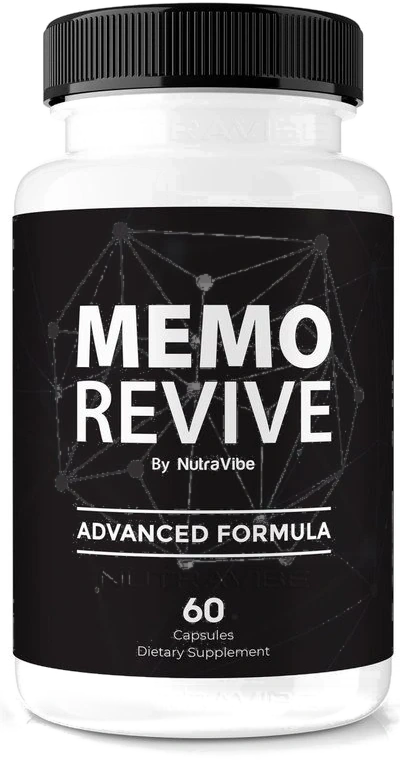
Memo Revive is a two-capsule daily botanical blend for everyday focus and mental-energy support, taken with a full glass of water — a simple layer on top of good hydration, backed by a 60-day guarantee.
See Memo Revive Packages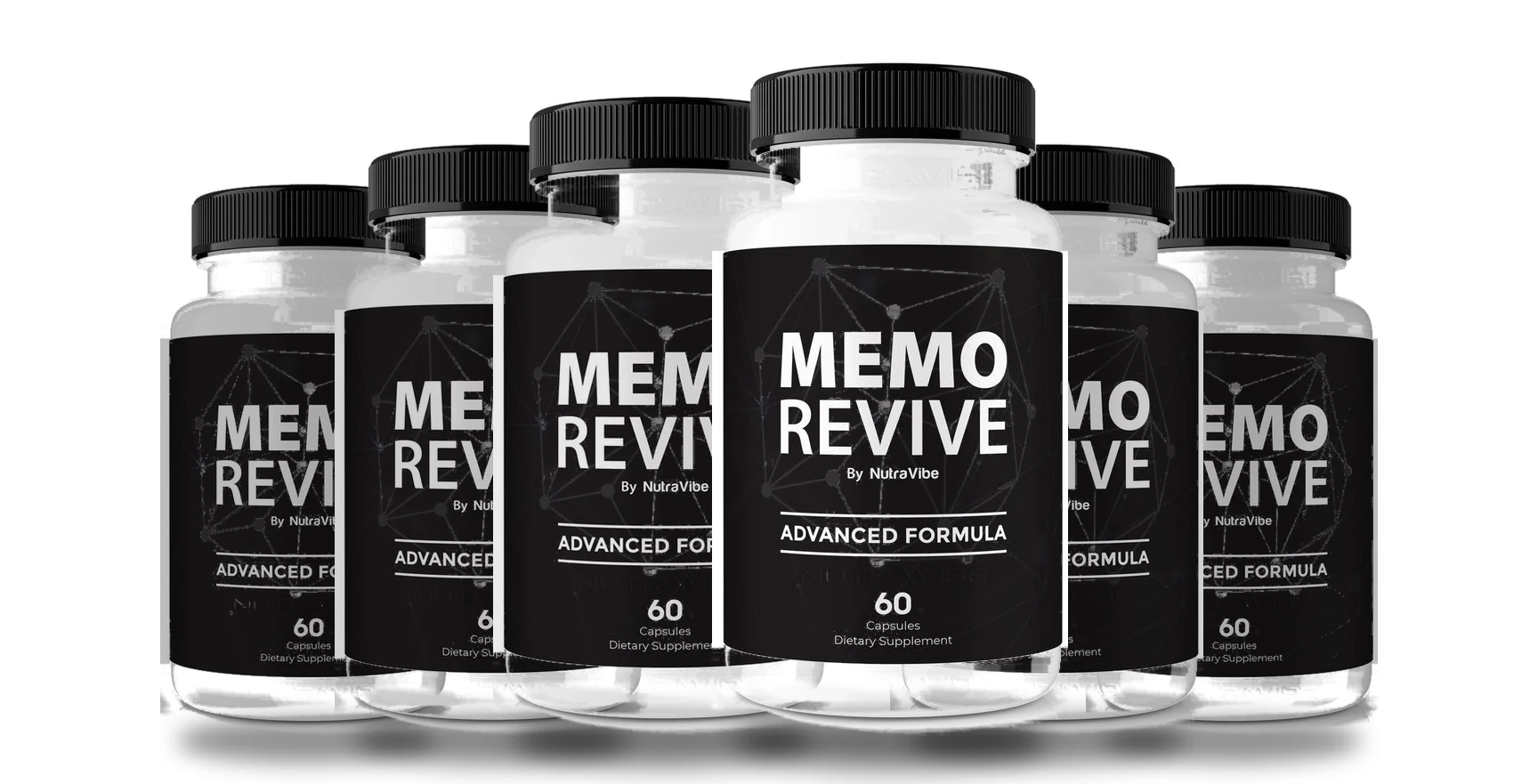
Simple daily habits to stay hydrated and sharp
Staying hydrated is less about willpower and more about making water the easy default. These small habits do most of the work for you.
The CDC’s guidance on water and healthier drinks makes the same practical point: what matters is making the easy default drink a low-sugar one, because that is the choice you will repeat all day without thinking.
- ✓ Start the day with a glass. You wake mildly dehydrated after a night’s sleep, so a glass of water first thing is an easy head start.
- ✓ Keep water in sight. A bottle on your desk means you sip without thinking; out of sight really is out of mind here.
- ✓ Anchor drinks to routines. A glass with every meal, and one when you refill your coffee, builds hydration into things you already do.
- ✓ Eat your water too. Fruit, salad and soup all count and make hydration effortless.
- ✓ Drink more around exercise and heat. Sweating raises your needs, so top up before, during and after activity or a hot day.
- ✓ Check before you reach for a snack. When afternoon fog hits, a glass of water first often clears it — thirst is easily mistaken for hunger or tiredness.
Hydration and the afternoon slump
That mid-afternoon dip in energy and focus has several causes, but under-hydration is one of the most common and most fixable. People often respond to the slump with more coffee or a sugary snack, both of which can set up their own crash later. A glass or two of water is a quieter, steadier fix worth trying first. We look at the whole picture of the post-lunch dip — blood sugar, light, movement and hydration together — in daily habits to boost mental energy and beat the afternoon slump.
Can you drink too much water?
For most people, ordinary over-drinking simply means more trips to the bathroom. Very rarely, drinking extreme amounts of water in a short time can dilute the body’s sodium to dangerous levels — a condition to be aware of mainly during endurance events or unusual circumstances, not everyday sipping. The practical takeaway is balance: steady, moderate hydration across the day, not forcing down litres at once. If you have a heart or kidney condition or take medication that affects fluid balance, follow the specific guidance of your healthcare professional.
Where a supplement fits alongside good hydration
Hydration is a foundation, and no supplement stands in for it. Once you are drinking enough, some people like to add a consistent daily botanical as a supporting layer for everyday focus and mental energy — taken, appropriately enough, with a full glass of water. That is exactly how Memo Revive is meant to be used: a simple two-capsule daytime routine, not a hydration replacement. If you want to know what is inside, our guide to natural nootropic botanicals for focus and memory walks through the plant actives. A supplement is a companion to healthy habits, not a substitute for them, and not a treatment for any condition.
No capsule substitutes for fluid, and for any botanical you are considering alongside it the National Center for Complementary and Integrative Health’s Herbs at a Glance is the fastest honest summary of the evidence.
A note on expectations
The good news about hydration is how quickly it responds — rehydrating after a mild deficit often lifts focus and mood within the same hour. The habit part is what takes practice: making steady sipping automatic rather than something you catch up on late in the day. Persistent thirst, frequent dizziness, or dehydration that keeps recurring despite drinking normally are worth raising with a qualified healthcare professional, as they can have medical causes. This article is general information, not medical advice tailored to you.
Staying well-hydrated and want a steady daytime companion for focus? Explore the Memo Revive packages here.
Frequently asked questions
Does dehydration affect your brain?
Yes. The brain is highly sensitive to hydration, and even a mild fluid deficit of around one to two percent of body weight can nudge attention, short-term memory, mood and mental energy in the wrong direction. Rehydrating usually restores clear thinking fairly quickly.
How much water should I drink for focus and memory?
A common general guide is roughly six to eight glasses a day, but needs vary with body size, activity, heat and diet, and food provides fluid too. A simpler cue is to sip steadily through the day and aim for pale-yellow urine rather than counting exact glasses.
What are the signs of dehydration affecting the brain?
Common early signs include difficulty concentrating, a dull headache, low mood or irritability, tiredness, and slower thinking, often alongside thirst and darker urine. Because these overlap with tiredness and hunger, dehydration is easy to miss.
Does coffee and tea count toward hydration?
For most people, moderate coffee and tea do contribute to daily fluids despite a mild diuretic effect. Water is still the simplest, no-sugar option, and relying only on caffeinated drinks late in the day can disturb sleep, which affects focus in its own right.
Does Memo Revive replace drinking water?
No. Memo Revive is a daily two-capsule botanical blend for everyday focus and mental-energy support, taken with water; it is not a substitute for staying hydrated. Good hydration habits come first, and a supplement is a companion to them, not a replacement, and not a treatment for any condition.
We are an independent team writing plain-language guides on everyday focus, memory and mental energy. We favour habits and honest, general information over hype, and we always point readers toward a qualified professional for anything medical. Content is reviewed for accuracy and compliance before it is published.
References
- U.S. National Academies of Sciences — Dietary Reference Intakes for Water. nationalacademies.org
- Centers for Disease Control and Prevention — Water and Healthier Drinks. cdc.gov
- National Center for Complementary and Integrative Health — Herbs at a Glance. nccih.nih.gov
† These statements have not been evaluated by the FDA. This product is not intended to diagnose, treat, cure or prevent any disease. This article is for general information only and is not medical advice. Individual results vary.