Home › Blog › Why Am I So Forgetful?
Memory & Everyday LifeWhy Am I So Forgetful? Everyday Causes of Memory Lapses
| The reassurance | Most everyday forgetfulness is an attention problem, not a broken memory. |
| Common causes | Stress, poor sleep, multitasking, information overload and running on autopilot. |
| What helps | Slow down to notice, single-task, use notes and routines, and protect your sleep. |
You walk into a room and forget why. A name vanishes the instant you need it. You put your keys down somewhere “safe” and spend ten minutes hunting for them. If you have been asking yourself why am I so forgetful lately, the first thing to know is that these everyday memory lapses are incredibly common — and in most cases they are less about a failing memory and more about a distracted, overloaded mind.
This guide explains the everyday causes of forgetfulness in plain language and, crucially, the daily habits that help you remember more. Understanding why the lapses happen is the key that unlocks the fix.
The big reframe: it's usually attention, not memory
Here is the insight that changes everything. To remember something, your brain first has to encode it — to actually register and file it away. That step requires attention. If your attention was elsewhere when you set your keys down or heard someone's name, the information was never properly filed in the first place. It only feels like forgetting; in reality, it was never fully captured.
The National Institute on Aging’s guidance on memory, forgetfulness and ageing makes the same separation, distinguishing the ordinary lapses almost everyone has from the changes that are worth a clinical conversation.
That reframe matters because it points the fix in the right direction. If most everyday forgetfulness is an encoding problem, then the solution is largely about how you pay attention, not about straining harder to recall later.
The everyday causes of memory lapses
Running on autopilot
So much of daily life is automatic that we barely register it. You lock the door, set down your phone, park the car — all while thinking about something else entirely. Because you were not paying attention, there is no memory to retrieve. This is the single most common reason for the classic “where did I put it?” lapse.
Multitasking and constant interruptions
Every time your attention is split, encoding suffers. Trying to hold a conversation while checking your phone means neither gets filed well. A workday full of interruptions is, in effect, a day designed to produce memory lapses. We dig into the attention side of this in our guide to why you can't focus and the causes of poor concentration.
Poor and broken sleep
Sleep is when the brain consolidates the day's memories, moving them from short-term to more durable storage. Skimp on sleep and that filing process is disrupted, which is why a run of bad nights so often shows up as forgetfulness the following days.
Stress and a busy mind
When you are stressed, part of your attention is permanently occupied. There is simply less mental bandwidth available to notice and encode the small details of daily life, so more of them slip through the cracks.
Information overload
Modern life asks you to track an enormous number of small things — passwords, appointments, messages, tasks. The mind was never built to hold all of it, and when it is overloaded, minor items are the first to fall away. Forgetfulness here is a capacity problem, not a defect.
Diet, dehydration and low energy
The same everyday inputs that affect focus affect memory, because you cannot encode well when you are foggy or running low. A steady, brain-friendly diet supports both — see our guide to the best foods for brain health and memory for the details.
A steady daily companion for memory support
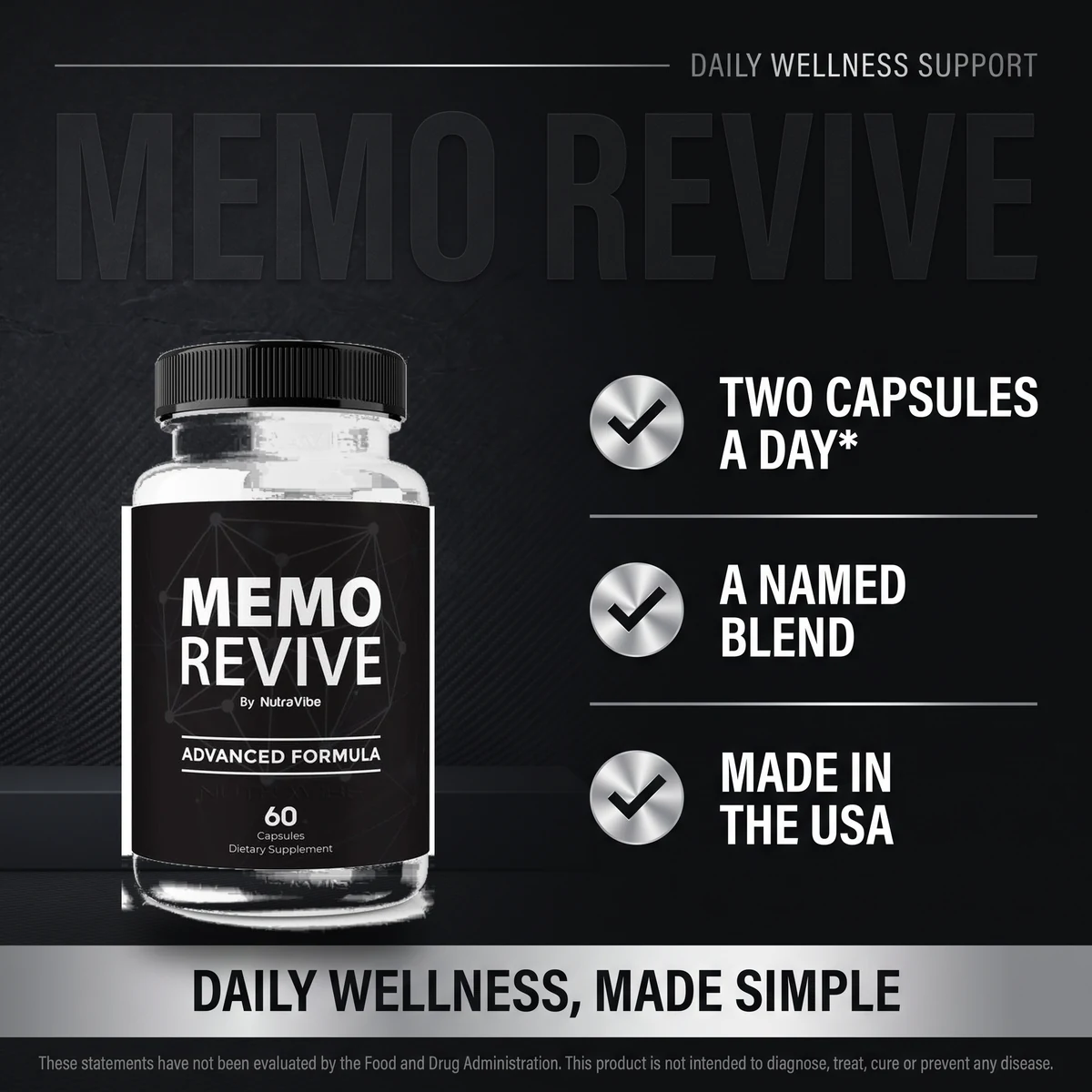
Memo Revive is a two-capsule daily botanical blend for everyday focus and memory support — a consistent layer on top of the habits below, backed by a 60-day guarantee.
See Memo Revive Packages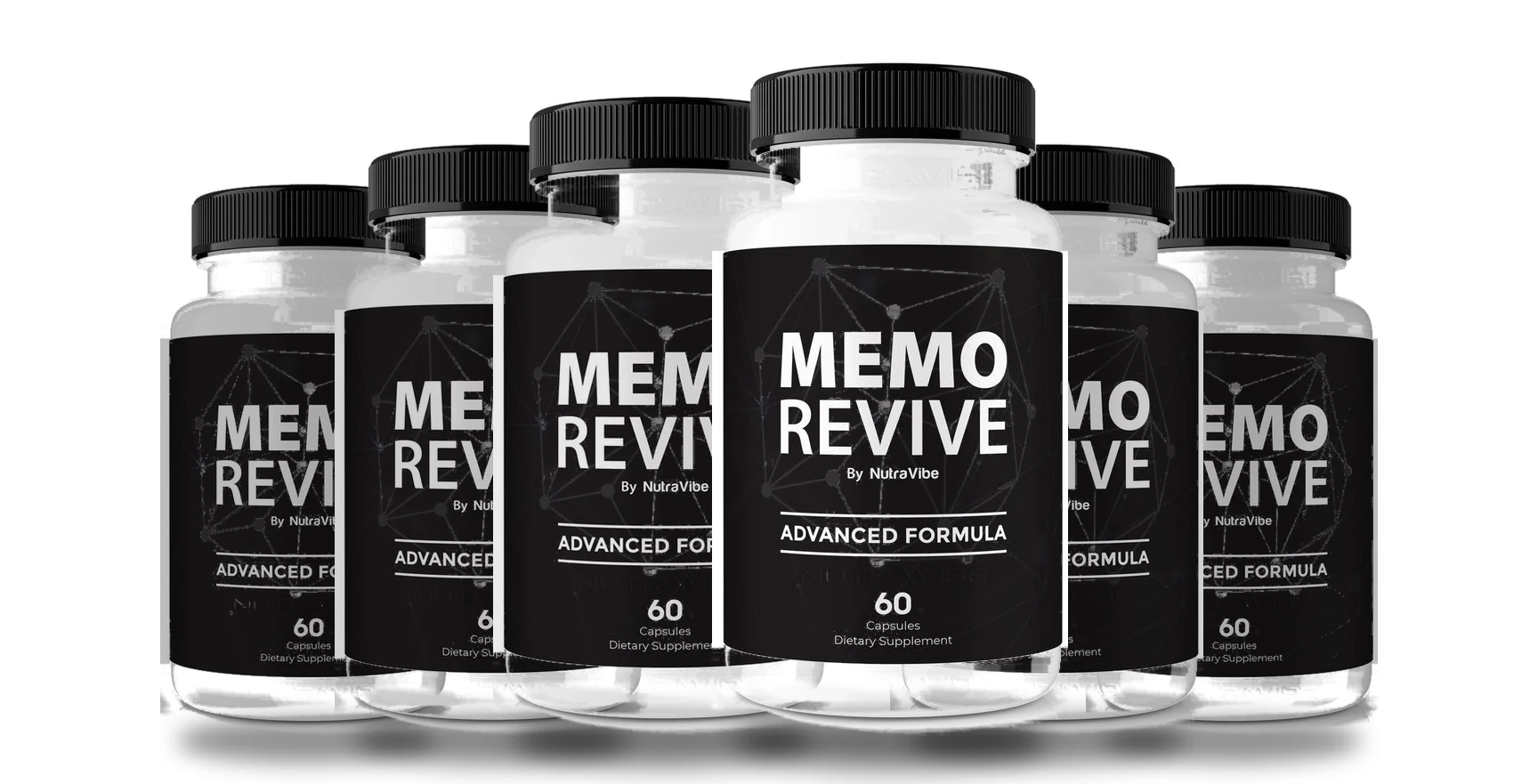
Daily habits that help you remember more
Because most lapses are encoding problems, the best fixes work at the moment of encoding — and offload the rest.
Sleep does more of this work than any technique on the list. The CDC’s sleep health guidance puts the adult target at seven or more hours, and consolidating the day’s memories is one of the jobs those hours are doing.
- ✓ Say it out loud. “My keys are on the hall table.” Naming an action forces attention and helps it stick.
- ✓ Do one thing at a time. Single-tasking during anything you'll want to remember is the highest-value habit here.
- ✓ Give things a home. Keys, glasses, wallet — one dedicated spot removes a whole category of lapses.
- ✓ Offload to notes. Write down appointments and tasks so your mind isn't the storage system for the small stuff.
- ✓ Use routines and cues. Attach new habits to existing ones so they run automatically instead of relying on memory.
- ✓ Protect your sleep. Consolidation happens overnight, so a consistent bedtime is a memory habit in disguise.
- ✓ Repeat names on meeting people. Use the name once or twice in conversation to help it encode.
Simple memory techniques worth trying
Beyond the daily habits above, a few small techniques can noticeably reduce everyday lapses. None of them requires a special talent — they simply work with the way encoding and recall function.
Two companion guides go further on specific symptoms: sentences that collapse mid-thought are covered in how to stop losing your train of thought, and a permanently flat, foggy baseline is the subject of why you feel mentally tired all the time.
Pause and picture it
When you want to remember where you put something, take a deliberate second to look at it and form a quick mental picture. That tiny pause converts an autopilot action into an encoded memory. It feels almost too simple, which is exactly why it works.
Chunk the information
Long strings of information are hard to hold, but grouped “chunks” are far easier — which is why phone numbers are split into blocks. Break a list, a code or a set of instructions into small groups and each one becomes a single, more memorable unit.
Link the new to the familiar
New information sticks better when you attach it to something you already know. Connecting a new name to a person you already remember, or a new task to an existing routine, gives your brain a ready-made hook to hang it on.
Build a “launch pad”
Designate one spot by the door for the things you carry every day — keys, wallet, phone, bag. A single, consistent home removes the entire category of “where did I leave it?” lapses without any effort of memory at all.
Everyday forgetfulness vs. something more
It is worth being clear about the difference, because worry itself can make lapses feel worse. Ordinary forgetfulness — misplacing keys, blanking on a name, walking into a room and forgetting why — is tied to attention and is extremely common at every age. What tends to warrant a closer look is memory change that is noticeable to the people around you, that is getting steadily worse, or that starts to interfere with familiar daily tasks. The everyday kind usually improves as soon as you steady your sleep, attention and stress; that is the reassuring pattern to remember.
Where a daily botanical fits
Once your attention and sleep habits are working for you, some people like to add a consistent daily botanical as a supporting layer. That is the role Memo Revive is designed for: a two-capsule daily supplement built on a named 1,000 mg blend of plant and amino actives for everyday focus and memory support — not a treatment for any memory condition. As with any botanical, the value is in consistency, so attach it to a daily cue and give it several weeks alongside the habits above.
Any herb marketed for memory deserves a look at the National Center for Complementary and Integrative Health’s Herbs at a Glance first, which is candid about how thin the evidence usually is.
When forgetfulness is worth a professional's opinion
Everyday lapses tied to stress, sleep and distraction are normal and usually improve with the habits above. But memory changes that are noticeable to others, getting steadily worse, interfering with daily life, or accompanied by confusion or other symptoms deserve a proper assessment from a qualified healthcare professional. There is no downside to getting checked, and only a professional can distinguish ordinary forgetfulness from anything that needs attention. This article is general information, not a diagnosis.
Want a steady daily companion for everyday memory support? See the Memo Revive packages here.
Frequently asked questions
Why am I so forgetful all of a sudden?
Everyday forgetfulness usually reflects how your attention and sleep are doing, not a failing memory. Stress, poor sleep, multitasking and running on autopilot mean information never gets encoded properly in the first place, so it feels like you forgot when you never fully registered it.
Is being forgetful a normal part of everyday life?
Yes. Misplacing keys, forgetting why you walked into a room, or blanking on a name are extremely common and usually tied to distraction and stress rather than anything worrying. Persistent or worsening memory changes are a different matter and worth discussing with a professional.
How can I improve my everyday memory?
Focus on encoding: slow down and pay attention when it matters, do one thing at a time, use notes and routines to offload the small stuff, and protect your sleep, which is when memories are consolidated. These habits do more than trying harder to remember.
Can a supplement help with everyday memory?
A daily botanical like Memo Revive is best viewed as a steady supporting layer alongside good sleep, attention habits and a brain-friendly diet. It is positioned as a companion for everyday focus and memory support, not a treatment for memory conditions.
Does stress really cause memory lapses?
It does, indirectly. Stress occupies part of your attention, leaving less bandwidth to notice and file the small details of daily life. Reducing stress and single-tasking free up the attention that good encoding depends on.
We are an independent team writing plain-language guides on everyday focus, memory and mental energy. We favour habits and honest, general information over hype, and we always point readers toward a qualified professional for anything medical. Content is reviewed for accuracy and compliance before it is published.
References
- National Institute on Aging — Memory, Forgetfulness, and Aging. nia.nih.gov
- Centers for Disease Control and Prevention — Sleep and Sleep Disorders. cdc.gov/sleep
- National Center for Complementary and Integrative Health — Herbs at a Glance. nccih.nih.gov
† These statements have not been evaluated by the FDA. This product is not intended to diagnose, treat, cure or prevent any disease. This article is for general information only and is not medical advice. Individual results vary.