Home › Blog › Why Do I Feel Mentally Tired All the Time?
Mental Energy & FatigueWhy Do I Feel Mentally Tired All the Time? Causes of Mental Fatigue
| The problem | Feeling mentally tired all the time — drained, foggy and low on motivation even when your body has rested. |
| Why it happens | The usual suspects stack up: poor sleep, ongoing stress, blood-sugar swings, dehydration, constant screen switching and too little movement. |
| What helps | Small changes across several habits — steady sleep, morning light, real breaks, steady meals — beat any single quick fix. |
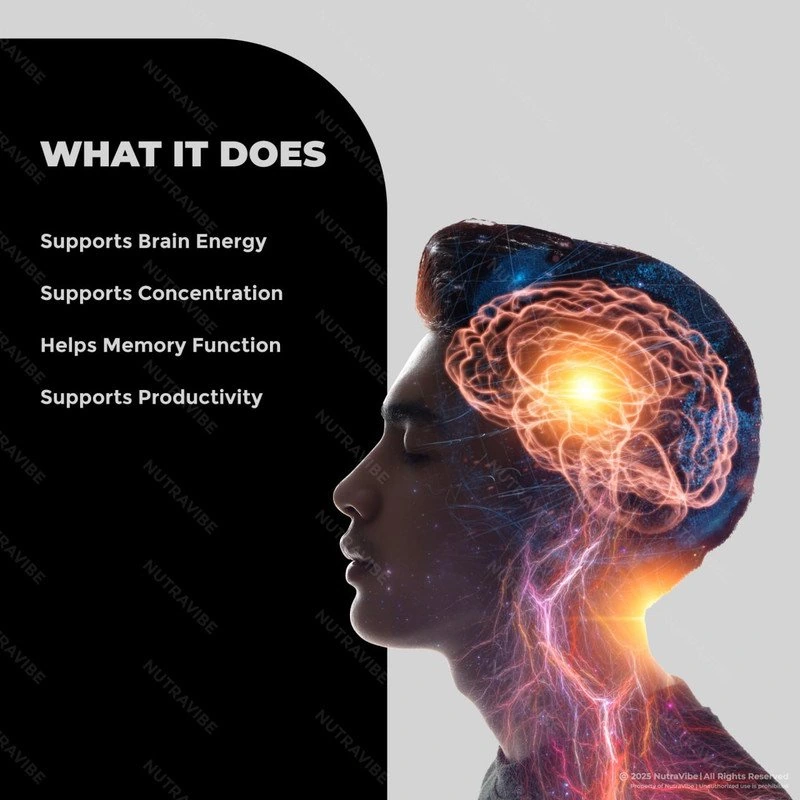
You slept a reasonable number of hours, you are not doing anything physically demanding, and yet by mid-morning your brain already feels like it is wading through treacle. If that sounds familiar, you are describing mental fatigue — a drained, foggy, unmotivated feeling that lives in your thinking rather than your muscles. It is one of the most common everyday complaints there is, and the good news is that it usually traces back to a handful of ordinary causes you can actually do something about. This guide walks through why you might feel mentally tired all the time, how mental fatigue differs from plain physical tiredness, and the practical daily habits that help your brain recover its energy.
Mental fatigue vs physical tiredness: what is the difference?
It helps to name what you are dealing with. Physical tiredness is a heaviness in the body — your legs feel leaden, you want to lie down, and rest or sleep relieves it fairly directly. Mental fatigue is different. It shows up as difficulty concentrating, a cloudy or slow feeling in your thinking, low motivation, more mistakes than usual, and a shorter fuse emotionally. Crucially, it can linger even when your body is perfectly rested, which is exactly why it is so frustrating: sleeping in on the weekend does not always fix it.
The two overlap, of course — a body that is worn out drags the mind down with it. But mental fatigue responds most strongly to the quality of your sleep, the load of stress you are carrying, whether your energy is steady or spiking through the day, and how many genuine breaks your brain gets. Understanding that distinction is the first step, because it points you toward the habits that actually move the needle.
Why do I feel mentally tired all the time? The everyday causes
Persistent mental tiredness is almost never caused by one thing. It is usually a stack of small drains, each modest on its own, that add up to a brain running on empty. Here are the ones worth checking first.
Chronic short sleep is the most common single explanation. The CDC’s sleep health guidance puts the adult target at seven or more hours, and a debt built across a working week rarely clears in one long Saturday.
You are short on quality sleep — not just hours
Sleep is when your brain does its housekeeping: consolidating memories and clearing out the by-products of a busy day. You can spend eight hours in bed and still wake unrefreshed if that sleep is broken, late or low quality. Irregular bedtimes, late screens, caffeine too close to evening and a warm, bright bedroom all chip away at the deep, restorative stages. If mental tiredness is your daily default, sleep is the very first place to look. Our guide to how sleep affects memory and focus digs into the nightly reset in more detail.
Ongoing stress is taxing your mental battery
A short burst of pressure can sharpen you. Stress that never switches off does the opposite — it keeps your system on quiet alert, which is exhausting to sustain and leaves less capacity for clear thinking. Many people who feel mentally drained are not lazy or unwell; they are simply carrying a background hum of low-grade stress from work, money, caregiving or an always-on phone. You can read more in does stress affect memory and how to manage it.
Blood-sugar swings are crashing your energy
What you eat shapes how steady your mental energy is over the following hours. A breakfast of refined carbohydrates or a sugary snack gives a quick lift and then a crash, and each crash lands as a wave of fog and tiredness. A diet built on spikes keeps your brain on a rollercoaster all day. Steadier, whole-food meals keep energy on a more even keel — see best foods for brain health and memory for the practical version.

You are mildly dehydrated
The brain is remarkably sensitive to fluid balance, and even a mild deficit can nudge attention, mood and mental energy in the wrong direction. Many people simply forget to drink through a busy day and mistake the resulting dullness for needing more caffeine. A glass of water first thing and a bottle within reach is a genuinely underrated fix. We cover the science in does dehydration affect your brain.
Constant task-switching is draining you
Every time a notification pulls your attention, your brain pays a small switching cost to refocus. Do that hundreds of times a day — email, chat, phone, tabs — and those costs add up to real mental exhaustion, even though you never did any single hard task. This fragmented style of working leaves people feeling busy and drained at once. Our guide to how screen time affects focus and attention span explains the mechanism.
Too little movement and daylight
It feels counter-intuitive, but sitting still all day tends to make you more tired, not less. Movement boosts blood flow and mood, and morning daylight helps set the internal clock that governs when you feel alert. A brain starved of both often settles into a flat, low-energy state. A short walk outdoors early in the day is one of the simplest resets there is — more on that in does exercise improve memory and brain function.
A steady daily companion for mental energy
Memo Revive is a two-capsule daily botanical blend for everyday focus and mental-energy support — a consistent layer on top of good sleep, food and movement, backed by a 60-day guarantee.
See Memo Revive Packages
Daily habits that help your brain recover
Because mental fatigue is a stack of small drains, the fix is a stack of small habits. You do not need to overhaul your life — you need to plug two or three leaks at once and keep them plugged.
Before assuming a deficiency, check what the nutrient actually does: the NIH Office of Dietary Supplements’ nutrient and supplement fact sheets are written for the public and say plainly who is and is not likely to be low.
- ✓ Keep a steady sleep schedule. Same bedtime and wake time, even at weekends, does more than the occasional lie-in.
- ✓ Get morning daylight. Ten minutes outside early helps set an alert daytime rhythm.
- ✓ Hydrate before you caffeinate. A glass of water first thing clears a lot of the early-morning fog.
- ✓ Anchor meals with protein and fibre. Steady fuel means fewer crashes and less afternoon fog.
- ✓ Take real breaks. Step away from the screen, not just to a different screen. A few minutes of nothing genuinely recharges attention.
- ✓ Batch your notifications. Check messages on your schedule, not theirs, to cut the switching tax.
If you want a ready-made routine to build these into, our companion piece on daily habits to boost mental energy and beat the afternoon slump lays out a full day, and the best morning routine for focus and mental clarity gives you a sharp start to build on.
The afternoon dip: normal, but manageable
Almost everyone feels a natural dip in alertness in the early afternoon — it is part of your body's daily rhythm, not a personal failing. The problem is when you pour a heavy, sugary lunch and a fourth coffee onto it, which turns a gentle dip into a full crash. A lighter, balanced lunch, a short walk afterwards and a glass of water handle the dip far better than sugar and caffeine, which tend to borrow energy from later and pay it back with interest.
Where a daily supplement fits

Let us be clear about the order of operations: sleep, food, movement, hydration and stress management are the foundation, and nothing in a capsule replaces them. Once those basics are in reasonable shape, some people like to add a consistent daily botanical as a supporting layer. The Memo Revive blend brings together nine plant and amino actives — including Tongkat Ali, cinnamon bark and apple cider vinegar — in a named 1,000 mg formula taken as two capsules a day. You can read about each ingredient in our guide to natural nootropic botanicals for focus and memory. Think of it as a steady companion to good habits for everyday focus and mental-energy support, not a treatment for tiredness or any medical condition.
For botanicals sold for energy, the National Center for Complementary and Integrative Health’s Herbs at a Glance is a useful corrective to marketing copy.

When to speak to a professional
Everyday mental tiredness that eases when you tidy up sleep, stress and food is one thing. Persistent, severe or worsening fatigue is another. If your tiredness is new and unexplained, does not respond to better habits, comes with other symptoms, or is affecting your daily life, it is worth talking to a qualified healthcare professional. Ongoing fatigue can have medical causes that deserve proper attention, and this article is general information rather than a diagnosis. Ruling things out with a professional is a sensible step, not an over-reaction.
Tidying up the basics and want a steady daily companion for focus and mental energy? Explore the Memo Revive packages here.
Frequently asked questions
Why do I feel mentally tired all the time?
Constant mental tiredness usually has a stack of everyday causes rather than one single reason: not enough quality sleep, ongoing stress, blood-sugar swings, dehydration, too much screen and notification switching, and too little movement or daylight. Because the causes add up, small changes across several of them tend to help more than fixing just one.
What is the difference between mental fatigue and physical tiredness?
Physical tiredness is a heaviness in the body that rest and sleep relieve. Mental fatigue is a drained, foggy feeling in your thinking, focus and motivation, and it can linger even when your body is rested. The two often overlap, but mental fatigue responds most to sleep quality, stress load, breaks and steady energy through the day.
How can I get more mental energy naturally?
Protect a consistent sleep schedule, get morning daylight and a short walk, keep water within reach, eat steady meals rather than sugar spikes, and take real breaks away from screens. Building these into a routine you repeat daily does more for mental energy than any one-off fix.
Can a supplement help with mental tiredness?
The foundation is always sleep, food, movement and stress management. Some people add a daily botanical such as Memo Revive as a steady supporting layer for everyday focus and mental-energy support. It is a companion to good habits, not a replacement for them, and not a treatment for any medical condition.
How long does it take to recover from mental fatigue?
A single good night of sleep and a lighter, screen-free evening can take the edge off within a day. Recovering from a longer stretch of mental fatigue usually takes a week or two of consistent habits, because you are rebuilding sleep quality and lowering a stress load that built up over time.
We are an independent team writing plain-language guides on everyday focus, memory and mental energy. We favour habits and honest, general information over hype, and we always point readers toward a qualified professional for anything medical. Content is reviewed for accuracy and compliance before it is published.
References
- Centers for Disease Control and Prevention — Sleep and Sleep Disorders. cdc.gov/sleep
- National Institutes of Health, Office of Dietary Supplements — Dietary Supplement Fact Sheets. ods.od.nih.gov
- National Center for Complementary and Integrative Health — Herbs at a Glance. nccih.nih.gov
† These statements have not been evaluated by the FDA. This product is not intended to diagnose, treat, cure or prevent any disease. This article is for general information only and is not medical advice. Individual results vary.