Home › Blog › How Screen Time Affects Focus & Attention Span
Digital Wellness & FocusHow Screen Time Affects Focus and Attention Span
| The idea | It is less about total hours on screens and more about how fragmented they make your attention. |
| Why it happens | Notifications and endless feeds train the brain to crave novelty, and every interruption leaves lingering attention residue. |
| What helps | Silence non-essential alerts, keep the phone out of sight during deep work, single-task, and set a screen buffer before bed. |

You sit down to do one focused thing, and within a minute your hand has reached for your phone almost on its own. An hour later you have checked three apps, answered two messages and read half an article, but the task you meant to do is barely started. If that sounds familiar, you already sense how screen time affects focus and attention span — not through some single dramatic harm, but through a steady fragmenting of your concentration into ever-smaller pieces. This guide explains what is actually happening in the brain, why it matters less how many hours you spend than how broken up they are, and the practical digital habits that help you concentrate deeply again.

How screen time affects focus and attention span
The popular worry is that screens are shrinking a fixed pool of attention. The more useful way to understand it is this: heavy, fragmented screen use trains a habit. Feeds, videos and messages are designed to deliver frequent little hits of novelty, and the brain learns to expect and seek that steady stream of new stimulation. Against that backdrop, slower and less immediately rewarding tasks — reading a long document, thinking through a problem, holding a single train of thought — start to feel effortful and boring by comparison. That is the core of how screen time affects focus and attention span: it is not that you cannot concentrate, it is that your brain has been trained to keep reaching for something newer.
The real cost: fragmentation and attention residue
The single biggest way screens undermine focus is interruption. Every time a notification pulls you away, or you flick to another tab, you break your concentration — and getting back to full depth on the original task is not instant. Part of your mind stays snagged on the thing you just glanced at, a lingering drag researchers call attention residue. Do this dozens of times an hour, as many of us do, and you spend much of the day in a shallow, half-focused state, never quite reaching the deeper concentration where good work and real learning happen. This constant switching is one of the leading causes we examine in why you can’t focus and the causes of poor concentration.
The honest caveat is that the research is less settled than the popular version of it. Cognitive control in media multitaskers: two replication studies and a meta-analysis (Attention, Perception & Psychophysics, 2017) revisited the best-known finding in this area and reported effects that were small and inconsistent — so treat heavy switching as a habit worth changing, not as proven damage.
Fragmented attention hurts memory too. To remember something, you first have to attend to it properly, and a mind that is constantly split rarely encodes anything deeply. That is why a scroll-heavy day can leave you feeling like nothing stuck — a pattern that overlaps closely with the everyday slips in why am I so forgetful and the everyday causes of memory lapses.
Why multitasking on screens backfires
Many people believe they are good at juggling several digital things at once. In reality, the brain does not truly do two demanding things simultaneously — it switches rapidly between them, paying a small tax in time and accuracy on every switch. Those taxes add up. Heavy media multitaskers often find it harder to filter out distractions and to hold their place in a task, precisely because they have practised switching rather than sustaining. The takeaway is freeing: doing one thing at a time is not slower, it is how focused, high-quality work actually gets done.
The American Psychological Association’s summary of multitasking and switching costs puts numbers on the everyday feeling: every switch costs time and accuracy, and the losses accumulate across a day.

Screens, sleep and the next day’s focus
One of the quietest ways screen time damages focus happens after you have stopped working — at night. Bright, engaging screens close to bedtime delay sleep on two fronts: the light nudges your body clock later, and the stimulating content keeps your mind switched on when it should be winding down. Since poor sleep directly weakens next-day attention and memory, late-night scrolling steals from tomorrow’s focus as well as tonight’s rest. We explain that connection in how sleep affects memory and focus, and a simple screen buffer before bed is one of the highest-value habits on that list.
MedlinePlus, the NIH’s consumer health library, collects the general guidance on screen use and health in one place if you want the plain-language version rather than the commentary.
A steady daily companion for focus
Memo Revive is a two-capsule daily botanical blend for everyday focus and mental-energy support — a simple layer on top of healthier digital habits, backed by a 60-day guarantee.
See Memo Revive Packages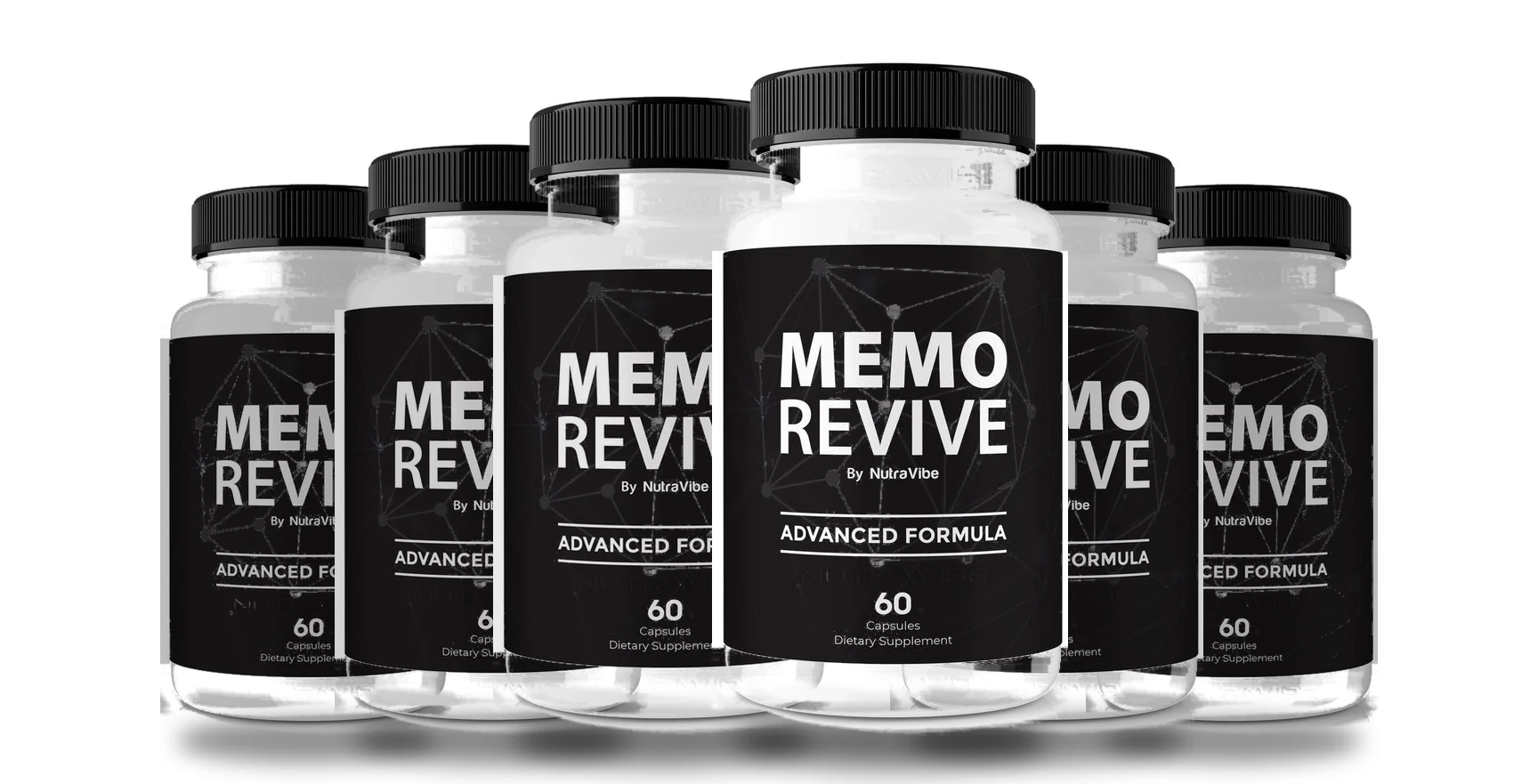
Digital habits that rebuild your attention
The encouraging news is that attention responds to practice. Just as fragmented use trains distraction, deliberate focused work rebuilds concentration. The most effective changes remove interruptions rather than relying on willpower to resist them.
- ✓ Silence non-essential notifications. Every alert you turn off is one less interruption. Keep only what genuinely needs your attention in real time.
- ✓ Put the phone out of sight. Even a silent phone on the desk pulls at your attention; in another room or a drawer it stops competing for it.
- ✓ Work in single-task blocks. Choose one thing, close other tabs, and give it a set stretch of undivided attention before switching.
- ✓ Batch your checking. Set a few times a day to deal with messages and feeds, rather than reacting to them all day long.
- ✓ Use grayscale and app limits. Making feeds less colourful and setting time limits reduces the automatic pull to pick up your phone.
- ✓ Set a screen buffer before bed. Stopping screens some time before sleep protects both tonight’s rest and tomorrow’s focus.
Training deeper focus, a little at a time
If sustained concentration feels out of reach, treat it like fitness — something you build gradually rather than expect fully formed. Start with focus blocks short enough to feel easy, perhaps just fifteen or twenty minutes of single-tasking, and extend them as your stamina grows. Between blocks, take real breaks that are not just a different screen; a short walk or a look out of the window lets attention genuinely recover. Boredom is part of the process, not a signal to reach for your phone — letting your mind sit with a slower task is exactly the practice that rebuilds your capacity for depth. These focus blocks pair naturally with the energy-management ideas in daily habits to boost mental energy and beat the afternoon slump.
Two screen-and-focus myths worth dropping
Myth: the goal is to use screens as little as possible
Screens are essential tools, and total hours are a crude measure. An hour of focused work on a laptop is nothing like an hour of fragmented scrolling. The aim is not less screen time for its own sake but less fragmented, involuntary screen time — using devices on purpose rather than on reflex.
Myth: you just need more willpower
Feeds and notifications are engineered to capture attention, so willpower alone is an unfair fight. Changing your environment — turning off alerts, moving the phone away — does far more than white-knuckle resolve, because it removes the pull instead of asking you to constantly overpower it.
Where a supplement fits alongside better digital habits
Rebuilding focus is fundamentally about habits and environment, and no supplement replaces that work. Once your digital routines are healthier, some people like to add a consistent daily botanical as a supporting layer for everyday focus and mental energy. That is the role Memo Revive is designed for — a simple two-capsule daytime routine, not a treatment for attention problems. If you want to know what is inside, our guide to natural nootropic botanicals for focus and memory walks through the plant actives. A supplement is a companion to healthy habits, not a substitute for them, and not a treatment for any condition.
No capsule shortens a notification queue. If you are adding a botanical anyway, the National Center for Complementary and Integrative Health’s Herbs at a Glance is the fastest way to see what the human evidence supports.
A note on expectations
Attention rebuilds gradually, so be patient and consistent rather than expecting an overnight transformation — a few focused blocks a day, protected from interruption, add up over weeks. If difficulty concentrating is severe, long-standing and affecting your work, studies or relationships, it is worth speaking with a qualified healthcare professional, as persistent attention difficulties can have causes that deserve proper assessment. This article is general information, not medical advice tailored to you.
Building better digital habits and want a steady daytime companion for focus? Explore the Memo Revive packages here.
Frequently asked questions
How does screen time affect focus and attention span?
Constant notifications, rapid scrolling and switching between apps train the brain to expect frequent novelty, which makes slower, sustained tasks feel harder. The bigger cost is fragmentation: every interruption breaks your concentration and leaves attention residue that takes time to recover.
Does screen time actually shrink your attention span?
It is more accurate to say heavy, fragmented screen use trains a habit of frequent switching rather than physically shrinking a fixed capacity. The encouraging flip side is that attention responds to practice, so deliberate focused work and fewer interruptions can rebuild your ability to concentrate.
How does phone use before bed affect focus the next day?
Bright, engaging screens late at night delay sleep through both the light and the mental stimulation, and poorer sleep means weaker focus and memory the next day. A screen buffer before bed is one of the most effective changes for daytime concentration.
What is the fastest way to improve focus with screens?
Turn off non-essential notifications, keep your phone out of sight during focused work, and work in single-task blocks rather than switching between tabs. Removing the interruptions is faster and more effective than trying to resist them by willpower alone.
Does Memo Revive improve attention span?
Memo Revive is a daily two-capsule botanical blend for everyday focus and mental-energy support; it is not a treatment for attention disorders or any medical condition. Digital habits come first, and a supplement is a companion to them, not a replacement.
We are an independent team writing plain-language guides on everyday focus, memory and mental energy. We favour habits and honest, general information over hype, and we always point readers toward a qualified professional for anything medical. Content is reviewed for accuracy and compliance before it is published.
References
- Cognitive control in media multitaskers: Two replication studies and a meta-Analysis. Attention, Perception & Psychophysics, 2017 (PMID 28840547)
- American Psychological Association — Multitasking: Switching Costs. apa.org
- National Institutes of Health — MedlinePlus: Screen Time and Children/Health. medlineplus.gov
- National Center for Complementary and Integrative Health — Herbs at a Glance. nccih.nih.gov
† These statements have not been evaluated by the FDA. This product is not intended to diagnose, treat, cure or prevent any disease. This article is for general information only and is not medical advice. Individual results vary.