Home › Blog › Does Exercise Improve Memory & Brain Function?
Movement & the MindDoes Exercise Improve Memory and Brain Function?
| The idea | Moving your body is one of the most reliable everyday habits for a sharper, steadier mind. |
| Why it works | Exercise boosts blood flow to the brain, lifts mood, deepens sleep, and supports the brain’s own maintenance signals. |
| What helps | Aim for around 150 minutes a week of moderate activity, but any regular movement — even short walks — helps. |

You go for a walk to clear your head, and somewhere in the second mile the tangle you were stuck on quietly sorts itself out. Most of us have felt it — movement does something for the mind, not just the body. But does exercise improve memory and brain function in a real, lasting way, or does it just feel good in the moment? The evidence is unusually strong and unusually encouraging: physical activity is one of the best-supported everyday habits for a sharper, steadier, healthier-ageing brain. This guide explains why it works, how much you really need, which kinds of movement help most, and simple ways to fit it into an ordinary day.
How does exercise improve memory and brain function? What the evidence says
Of all the lifestyle levers on this site, exercise has some of the deepest research behind it. Studies consistently link regular physical activity with better attention, faster thinking and stronger memory, and with a lower risk of cognitive decline as people age. It is not a cure or a treatment for any condition, but as a general, everyday support for how well your brain works, few habits are as well evidenced. So when people ask does exercise improve memory and brain function, the honest answer is a confident yes — with the caveat that consistency, not intensity, is what delivers the benefit.
The clearest recent summary is an umbrella review that pooled existing meta-analyses: Effectiveness of exercise for improving cognition, memory and executive function (British Journal of Sports Medicine, 2025) reported benefits of exercise across cognition, memory and executive function — real and consistent, and considerably more modest in size than the headlines usually suggest.
Why movement is so good for the brain
Exercise helps the brain through several overlapping routes, which is part of why the effect is so robust.
More blood flow, more fuel
When you move, your heart pumps more blood, and a good share of it reaches the brain, delivering the oxygen and nutrients neurons run on. Better circulation is one of the most direct ways exercise supports clear, quick thinking, both right after a session and over the long term.
The brain’s own maintenance signals
Physical activity encourages the release of signalling molecules that support the health, growth and connection of brain cells — a bit like fertiliser for the networks involved in learning and memory. Aerobic exercise in particular has been linked with supporting the hippocampus, the region central to forming new memories.
Mood, stress and sleep
Some of exercise’s biggest brain benefits are indirect. Movement is one of the most reliable ways to lift mood and discharge stress — and since chronic stress clouds recall, that matters a great deal, as we explain in does stress affect memory and how to manage it. Regular activity also deepens sleep, and sleep is when the brain files memories, a link we cover in how sleep affects memory and focus. Exercise, in other words, improves the very habits that improve your brain.
The immediate boost after a single session
You do not have to wait months to feel something. Many people notice sharper focus, a brighter mood and easier problem-solving for a few hours after a single bout of moderate movement — which is why a walk really can clear a foggy head or unstick a stubborn task. This short-term lift is a great reason to schedule movement before mentally demanding work, and it is one of the practical fixes we recommend in daily habits to boost mental energy and beat the afternoon slump. The bigger, lasting gains in memory and brain health then build quietly on top, session by session.
How much exercise do you actually need?
The widely cited general target is about 150 minutes of moderate-intensity activity a week — that is roughly 30 minutes on five days — plus a couple of sessions that work your muscles. Moderate intensity simply means you are breathing harder but can still hold a conversation, like a brisk walk. That figure is a helpful goal, but do not let it become a barrier: the largest jump in benefit comes from going from nothing to something. If you are currently inactive, short daily walks are a genuinely worthwhile place to start, and they are linked with clearer thinking on their own.
The 150-minute figure is not folklore: it is the adult target set out in the Physical Activity Guidelines for Americans, alongside muscle-strengthening activity on two days a week.
A steady daily companion for focus
Memo Revive is a two-capsule daily botanical blend for everyday focus and mental-energy support — a simple layer on top of an active routine, backed by a 60-day guarantee.
See Memo Revive Packages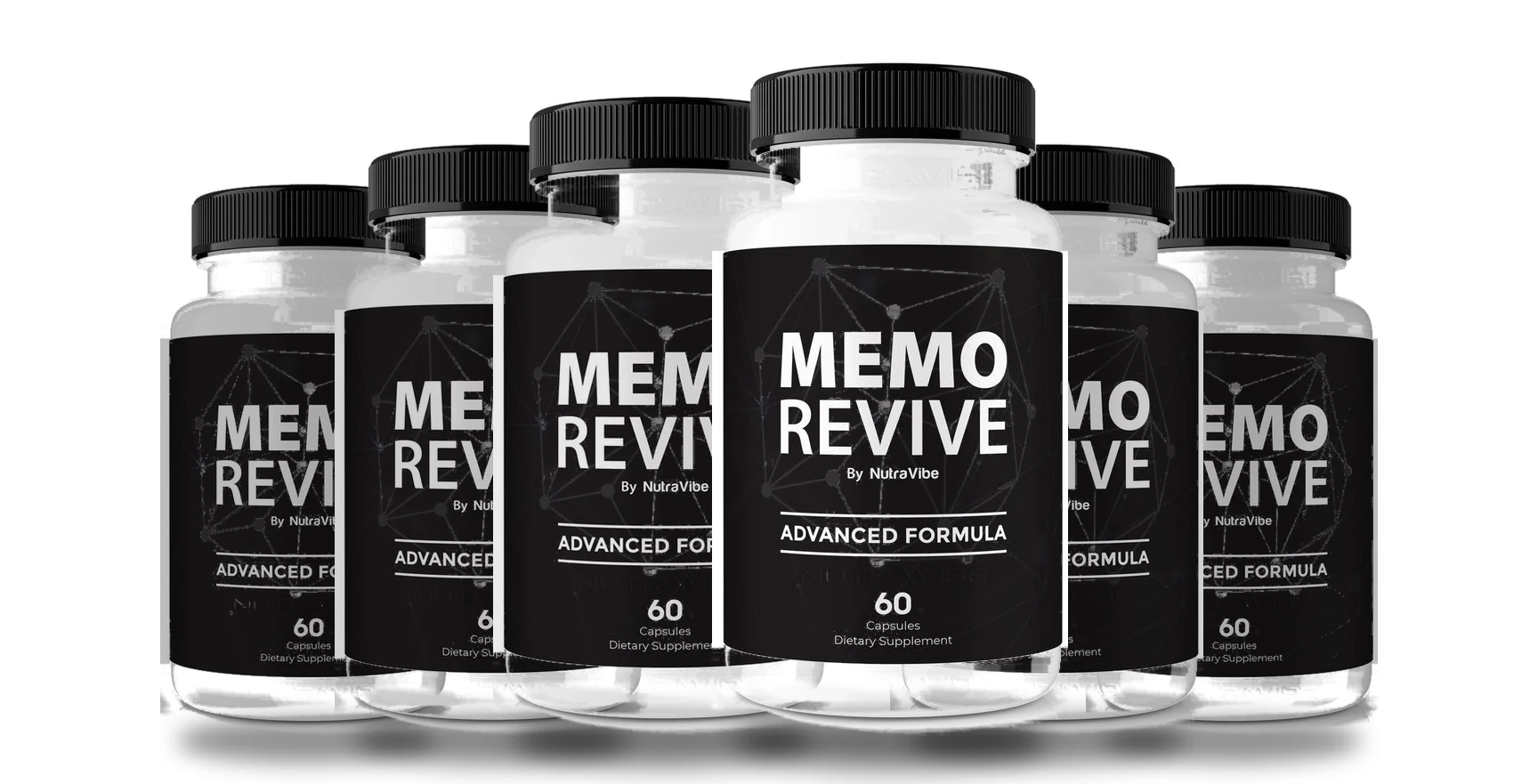
What kind of exercise is best for the brain?
The strongest evidence points to aerobic activity — anything that raises your heart rate and keeps it up. But a varied routine covers more bases and, just as importantly, stays interesting enough to keep doing.
- ✓ Aerobic movement. Brisk walking, jogging, cycling, swimming or dancing — the core of a brain-friendly routine and the most researched.
- ✓ Strength training. Two sessions a week of resistance work supports healthy ageing of both body and mind.
- ✓ Coordination and balance. Activities like yoga, tai chi, tennis or dance add a mental-engagement element that challenges the brain in a different way.
- ✓ Simply moving more. Taking the stairs, walking meetings and standing breaks all add up and break long stretches of sitting.
The best exercise for your brain, in the end, is the one you will actually keep doing. Enjoyment and consistency beat any theoretically optimal plan you abandon in a fortnight.
Simple ways to fit movement into a busy day
Lack of time is the most common obstacle, so the trick is to lower the bar and attach movement to things you already do.
The CDC’s physical activity basics make the same concession this guide does: activity counts in short bouts, and breaking up long stretches of sitting is worthwhile on its own.
- ✓ Walk first thing. A short morning walk adds movement and daylight, which also helps your sleep that night.
- ✓ Break up sitting. Stand or stroll for a couple of minutes every hour to keep blood and focus flowing.
- ✓ Use the slump. A brisk ten-minute walk after lunch fights the afternoon dip better than another coffee.
- ✓ Stack it onto habits. Walk while you take calls, or do a short set of exercises while the kettle boils.
- ✓ Make it social. A regular walk or class with a friend turns exercise into something you look forward to and are less likely to skip.
Two exercise-and-brain myths worth dropping
Myth: it only counts if it is intense
You do not need punishing workouts to help your brain. Moderate, consistent activity — a daily brisk walk — delivers most of the everyday cognitive benefit. Over-reaching often leads to burnout and quitting, which helps no one.
Myth: you are too old to start
Movement supports the brain at every age, and it is never too late to begin. Older adults who become more active are consistently among those who benefit, so starting now — gently and with any needed medical clearance — is always worthwhile.
Where a supplement fits alongside an active routine
Exercise is a foundation habit, and no supplement replaces it. Once movement is part of your week, some people like to add a consistent daily botanical as a supporting layer for everyday focus and mental energy. That is the role Memo Revive is built for — a simple two-capsule daytime routine that sits alongside an active lifestyle, not a substitute for it. If you are curious about the plant actives, our guide to natural nootropic botanicals for focus and memory covers them. A supplement is a companion to healthy movement, not a replacement, and not a treatment for any condition.
For the botanical side of that routine, the National Center for Complementary and Integrative Health’s Herbs at a Glance is the place to check what is actually known about a given herb before you buy it.
A note on expectations and getting started safely
The immediate focus lift from a single session is real, but the memory and brain-health benefits build over weeks and months of consistency — so favour a routine you can sustain over a heroic burst you cannot. If you are new to exercise, have been inactive for a long time, or have any health condition, check with a qualified healthcare professional before ramping up, and start gently. This article is general information, not medical advice tailored to you.
Building an active routine and want a steady daytime companion for focus? Explore the Memo Revive packages here.
Frequently asked questions
Does exercise improve memory and brain function?
Yes. Regular physical activity is one of the best-supported everyday habits for brain health. It increases blood flow to the brain, supports mood and sleep, and is associated with better attention and memory over time, as well as healthier brain ageing.
How much exercise do I need for brain benefits?
General guidance suggests about 150 minutes of moderate activity a week, such as brisk walking, plus some muscle-strengthening on two days. But something is far better than nothing, and even short daily walks are linked with clearer thinking.
What type of exercise is best for memory and focus?
Aerobic activity that raises your heart rate, like brisk walking, cycling or swimming, has the strongest evidence for brain benefits. Strength training and coordination-based activities add value too, so a mix you enjoy and will stick with is ideal.
Does a single workout improve focus right away?
Often, yes. Many people notice sharper attention and a better mood for a few hours after a single bout of moderate exercise. The larger memory and brain-health benefits build with consistency over weeks and months.
Does Memo Revive replace exercise?
No. Memo Revive is a daily two-capsule botanical blend for everyday focus and mental-energy support; it is not a substitute for physical activity. Movement comes first, and a supplement is a companion to an active routine, not a replacement, and not a treatment for any condition.
We are an independent team writing plain-language guides on everyday focus, memory and mental energy. We favour habits and honest, general information over hype, and we always point readers toward a qualified professional for anything medical. Content is reviewed for accuracy and compliance before it is published.
References
- Effectiveness of exercise for improving cognition, memory and executive function: a systematic umbrella review and meta-meta-analysis. British Journal of Sports Medicine, 2025 (PMID 40049759)
- U.S. Department of Health and Human Services — Physical Activity Guidelines for Americans. health.gov
- Centers for Disease Control and Prevention — Physical Activity Basics. cdc.gov
- National Center for Complementary and Integrative Health — Herbs at a Glance. nccih.nih.gov
† These statements have not been evaluated by the FDA. This product is not intended to diagnose, treat, cure or prevent any disease. This article is for general information only and is not medical advice. Individual results vary.