Home › Blog › Does Caffeine Help or Hurt Focus?
Caffeine & FocusDoes Caffeine Help or Hurt Focus and Memory?
| The short answer | Both — caffeine helps focus in moderate amounts at the right time, and hurts when it is too much or too late. |
| How it works | It blocks the brain signals that make you feel drowsy, so you feel more alert — but it masks tiredness rather than removing it. |
| The catch | Late or heavy caffeine wrecks sleep, and poor sleep is one of the biggest drags on memory and focus there is. |

Coffee is the world's most popular focus aid, and for good reason — a well-timed cup really can lift your alertness. But plenty of people also feel jittery, anxious or oddly flat after too much of it, and wonder whether their afternoon coffee is quietly sabotaging their sleep and their memory. So which is it: does caffeine help or hurt focus and memory? The honest answer is that it does both, and which one you get depends almost entirely on how much you have and when. This guide explains how caffeine actually works in the brain, weighs the genuine benefits against the downsides, and gives you a simple way to use it wisely.
How caffeine works in the brain
To understand the trade-off, it helps to know the basic mechanism. As you go about your day, a molecule called adenosine gradually builds up in the brain. Adenosine is one of the signals that makes you feel progressively drowsier the longer you have been awake — it is part of your natural sleep pressure. Caffeine works by fitting into the same receptors that adenosine uses, blocking that drowsiness signal from getting through. The result is that you feel more alert and less tired.
The key word there is feel. Caffeine does not remove your tiredness or top up your energy; it temporarily masks the signal telling you that you are tired. The adenosine is still there, waiting. When the caffeine wears off, that backlog of drowsiness can hit at once — which is why a coffee can be followed a few hours later by a slump. It is borrowing alertness from later, not creating it from nothing.
Does caffeine help you focus? The real benefits
Used sensibly, caffeine has genuine upsides, which is why it is one of the most studied everyday substances there is.
It is also one of the most frequently mistyped words on the internet — “caffine” turns up constantly in searches — and the question behind either spelling is the same one: does the cup actually help, or does it just make you feel like it does?
Alertness and short-term focus
A moderate dose reliably increases alertness, reduces the sense of effort a task takes, and can sharpen short-term focus — especially when you are under-slept or working during a natural low point in the day. For many people, a morning coffee is a legitimate and enjoyable way to shift into gear.
Reaction time and sustained attention
Caffeine tends to help with tasks that require staying alert over a stretch of time, such as a long drive or a monotonous job, where the challenge is fighting off drowsiness rather than solving something creative. It can trim reaction times and help you keep your attention from drifting.
A mood and motivation nudge
Many people find a modest lift in mood and motivation with caffeine, which indirectly supports getting focused work started. The ritual of a warm drink and a short pause is part of the benefit too — it is not all pharmacology.
A steady daily companion — no crash required
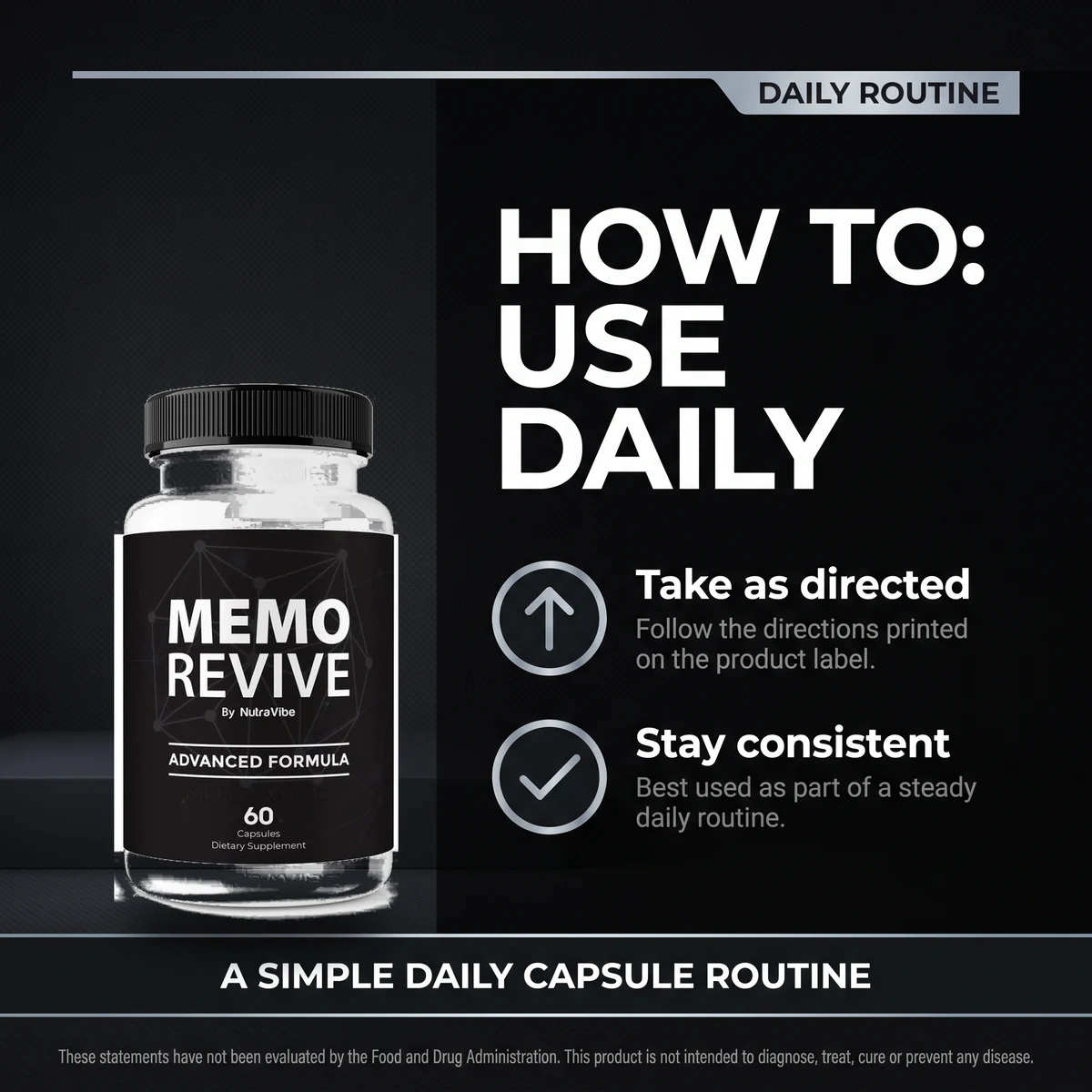
Memo Revive is a two-capsule daily botanical blend for everyday focus and mental-energy support — a consistent daily layer alongside your habits, backed by a 60-day guarantee.
See Memo Revive Packages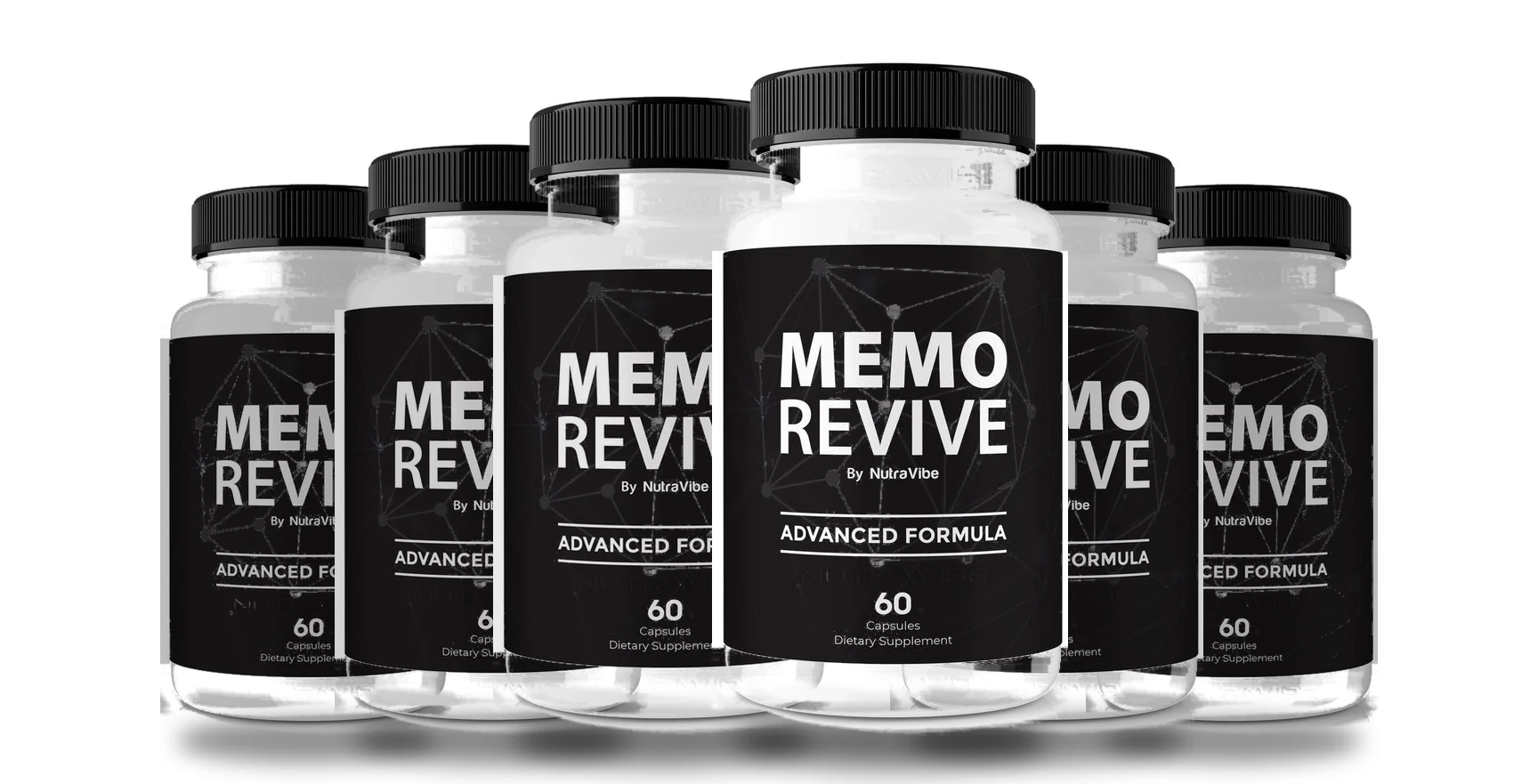
The case against: when caffeine hurts
The same substance turns against you when you have too much, have it too late, or are simply sensitive to it. Here is where caffeine starts to cost more than it gives.
The sleep cost is the one that compounds. The CDC’s sleep health guidance puts the adult target at seven or more hours, and an afternoon coffee that quietly trims an hour off tonight guarantees you will need another one tomorrow.
It disrupts sleep — the biggest hidden cost
Caffeine lingers in the body for many hours. An afternoon cup can still be circulating at bedtime, making sleep lighter and later even if you fall asleep fine. Because deep, quality sleep is when the brain consolidates memories and clears the day, wrecked sleep is one of the most reliable ways to sabotage the very focus and recall you were chasing. Our guide to how sleep affects memory and focus explains why the nightly reset matters so much.
Jitters, anxiety and a racing heart
Past a certain dose — which varies a lot from person to person — caffeine tips from alert into wired. Jitteriness, a pounding heart and a spike in anxiety are common, and an anxious, over-stimulated brain concentrates worse, not better. If coffee makes you feel on edge, that is a sign you are past your personal sweet spot.
The crash and the dependence loop
When caffeine wears off and the masked tiredness returns, the slump can push you toward another cup, and another. Over time the body adapts, so you need more to get the same lift, and skipping it brings withdrawal headaches and grogginess. That cycle can leave you feeling worse day to day than if you used caffeine more sparingly.
It can mask the real problem
Reaching for coffee to paper over chronic under-sleeping, dehydration or skipped meals treats the symptom, not the cause. If you feel you cannot function without it, the honest fix is usually more sleep and steadier food — see why do I feel mentally tired all the time for the fuller picture.
How much caffeine is too much?
For most healthy adults, health authorities consider up to about 400 mg of caffeine a day — very roughly four cups of coffee — to be moderate. But that is a population average, not a personal prescription. Sensitivity varies enormously depending on genetics, body size, medications and how habituated you are. Some people handle several coffees comfortably; others get jittery on one. Pregnant people and those with certain heart or anxiety conditions are usually advised to aim considerably lower and to check with a professional. The practical test is simple: if caffeine gives you jitters, a racing heart, or trouble sleeping, you have had too much for you.
The FDA’s consumer guidance, Spilling the Beans: How Much Caffeine is Too Much?, cites roughly 400 mg a day — about four or five cups of coffee — as an amount not generally associated with negative effects in healthy adults, while stressing that sensitivity varies a great deal between people.
How to use caffeine wisely for focus
You do not have to give up coffee to get the good without the bad. A few habits make all the difference.
- ✓ Set a caffeine curfew. Last cup six to eight hours before bed — for many people that means nothing after early afternoon.
- ✓ Hydrate alongside it. Have a glass of water with your coffee so you are not swapping fluid for caffeine.
- ✓ Do not caffeinate on an empty tank. Coffee is not breakfast; pair it with real food for steadier energy.
- ✓ Find your dose and stop there. More is not more focus past your sweet spot — it is anxiety.
- ✓ Use it for the dip, not the whole day. Save caffeine for when you genuinely need alertness rather than sipping constantly.
Caffeine is one lever among many. It works far better sitting on top of solid daily habits to boost mental energy, good brain-friendly food and a sharp morning routine than it does propping up a shaky foundation.
Where a daily botanical fits
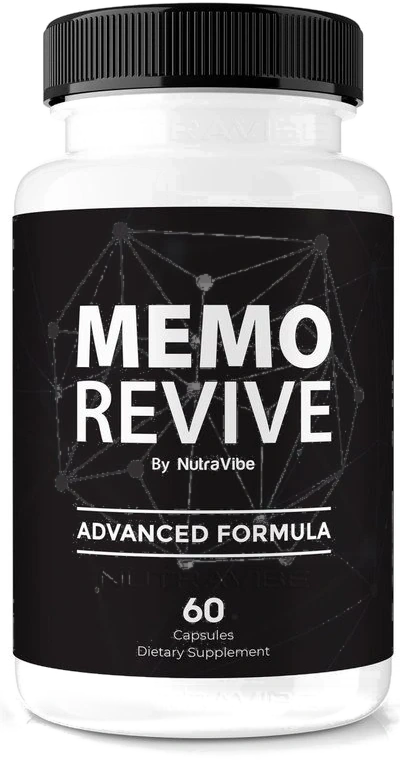
If you are trying to lean on caffeine a little less, a consistent daily routine helps fill the gap. The Memo Revive blend is a two-capsule daily botanical formula — nine plant and amino actives in a named 1,000 mg blend — positioned for everyday focus and mental-energy support rather than a sharp stimulant hit. It is not a substitute for sleep, food or a sensible caffeine habit, and it is not a treatment for anything; think of it as a steady companion to good habits. You can read about the individual ingredients in our guide to natural nootropic botanicals for focus and memory.
If you are swapping some of that caffeine for a botanical, look the herb up first in the National Center for Complementary and Integrative Health’s Herbs at a Glance, which sets out what human studies have and have not shown.
Want a steady daily companion for focus that does not rely on a caffeine spike? Explore the Memo Revive packages here.
Frequently asked questions
Does caffeine help or hurt focus and memory?
In moderate amounts and at the right time of day, caffeine can help alertness and short-term focus by blocking the brain signals that make you feel drowsy. Too much, or too late in the day, tends to hurt: it can cause jitters, anxiety and disrupted sleep, and poor sleep is one of the biggest drags on memory and focus there is.
How much caffeine is too much?
Health authorities generally consider up to about 400 mg of caffeine a day, roughly four cups of coffee, moderate for most healthy adults. Sensitivity varies widely, though, and pregnant people and those with certain conditions should aim lower. If caffeine gives you jitters, a racing heart or disrupted sleep, that is your cue to cut back.
Why does coffee sometimes make me more tired?
Caffeine masks tiredness rather than removing it, so when it wears off the underlying sleepiness returns, sometimes with a slump. Coffee is also mildly dehydrating for some people, and drinking it instead of water or a proper meal can leave you flatter later. It never replaces the sleep and food your brain actually needs.
When should I stop drinking caffeine each day?
Caffeine lingers in the body for hours, so a good rule of thumb is to have your last cup at least six to eight hours before bed. For many people that means no caffeine after early afternoon. Cutting it off earlier protects the deep, restorative sleep that memory and focus depend on.
Is it better to get focus from caffeine or a supplement?
They are different tools. Caffeine is a fast, short-lived stimulant; a daily botanical like Memo Revive is a steady supporting layer taken consistently. Neither replaces sleep, food and movement, which remain the foundation of clear thinking. Many people use a modest amount of caffeine and a steady routine together.
We are an independent team writing plain-language guides on everyday focus, memory and mental energy. We favour habits and honest, general information over hype, and we always point readers toward a qualified professional for anything medical. Content is reviewed for accuracy and compliance before it is published.
References
- U.S. Food & Drug Administration — Spilling the Beans: How Much Caffeine is Too Much? fda.gov
- Centers for Disease Control and Prevention — Sleep and Sleep Disorders. cdc.gov/sleep
- National Center for Complementary and Integrative Health — Herbs at a Glance. nccih.nih.gov
† These statements have not been evaluated by the FDA. This product is not intended to diagnose, treat, cure or prevent any disease. This article is for general information only and is not medical advice. Individual results vary.